
The national curriculum lists BPT subjects year by year. To teach them well, RCP groups its faculty, laboratories and clinical postings into seven departments. Each department looks after a family of related subjects, guides students in its area of clinical practice and works closely with the others, because real patients rarely fit neatly into one specialty.
How the BPT is organised
The BPT follows an annual pattern: four academic years, each ending in a university examination, followed by a compulsory one-year rotatory clinical internship. Teaching is competency-based, so every department combines lectures with skills practice in the laboratory and supervised work with patients. The emphasis moves from science to specialty as the course progresses.
Year 1: Foundations
Anatomy, physiology and biochemistry, the fundamentals of exercise and electro-physical agents, foundation subjects such as communication and the healthcare system, and clinic orientation visits.
Year 2: Core physiotherapy skills
Pathology, microbiology and pharmacology, exercise therapy, electrotherapy, biomechanics, yoga, emergency care and life support, and clinical observation in OPDs and wards.
Year 3: Clinical sciences
Medicine, surgery and orthopaedics, physiotherapy in medical, surgical and orthopaedic conditions, physical and functional diagnosis, research methods, and supervised clinical education.
Year 4: Specialties
Neurology, cardiothoracic care, sports physiotherapy, community rehabilitation, ethics and management, project work orientation, and a clinical rotation through every specialty.
Year 5: Rotatory internship
Twelve months of supervised postings across musculoskeletal, neurological, cardiopulmonary, community, sports, paediatric and women's health physiotherapy. About the internship.
As per the NCAHP Curriculum Handbook of Physiotherapy (2025), the departments of Exercise Therapy and Electrotherapy & Electro-Diagnosis are required when the first year of the BPT begins. The departments of musculoskeletal, neurosciences, cardio-pulmonary, community health, paediatric and sports physiotherapy are required when the third year begins. RGUHS and State Government regulations prevail where they differ.
Our departments
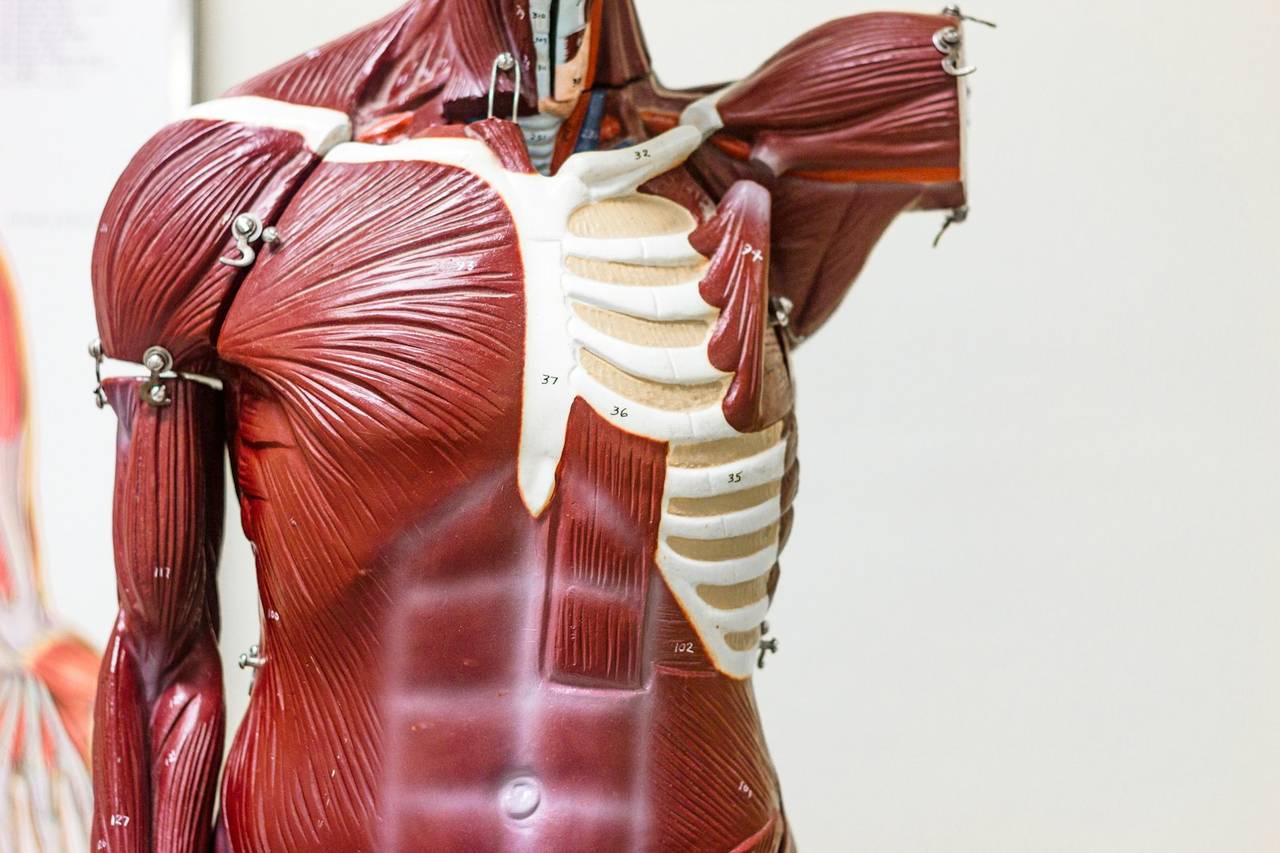
Basic Medical Sciences
Anatomy, physiology, biochemistry, pathology, microbiology and pharmacology: the foundation of clinical reasoning.
Explore department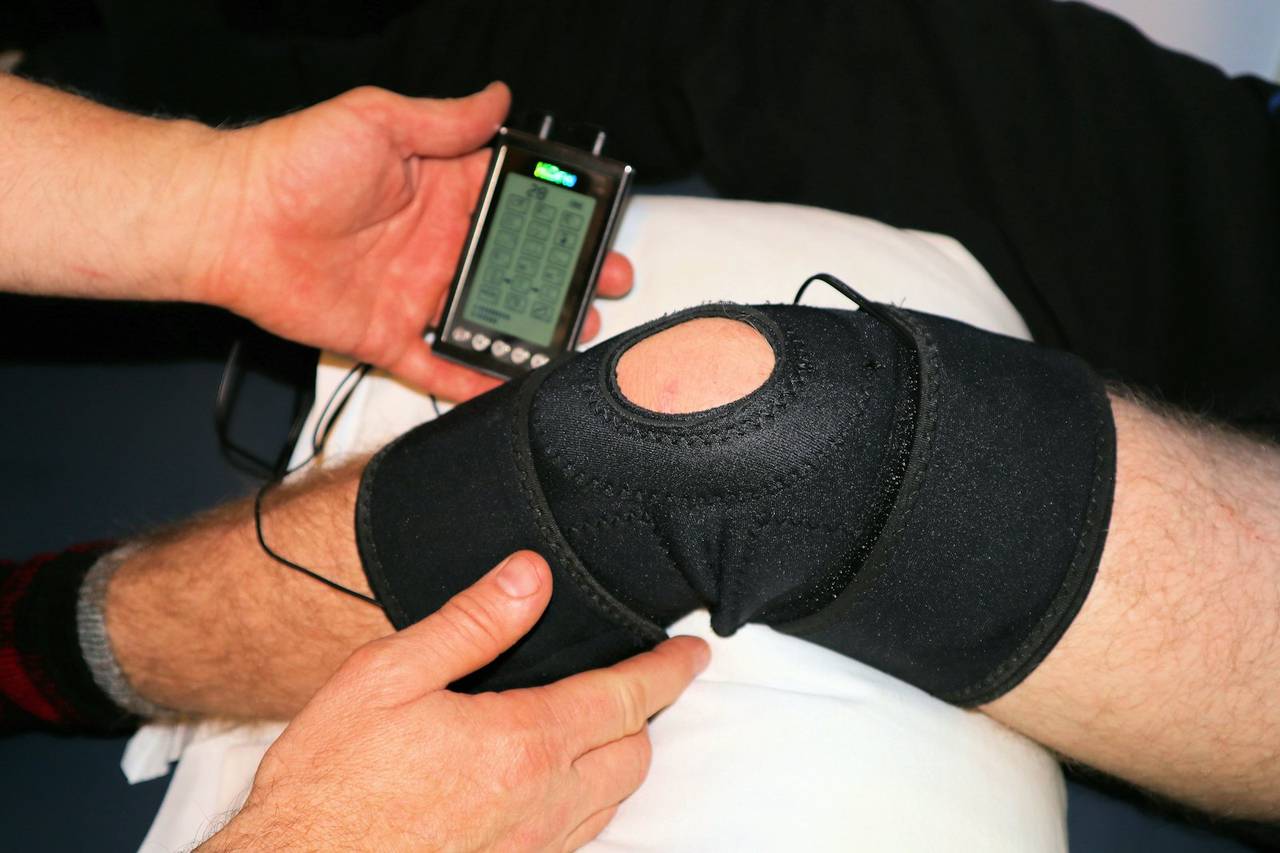
Exercise Therapy & Electrotherapy
Therapeutic exercise, electro-physical agents, biomechanics and kinesiology for every stage of rehabilitation.
Explore department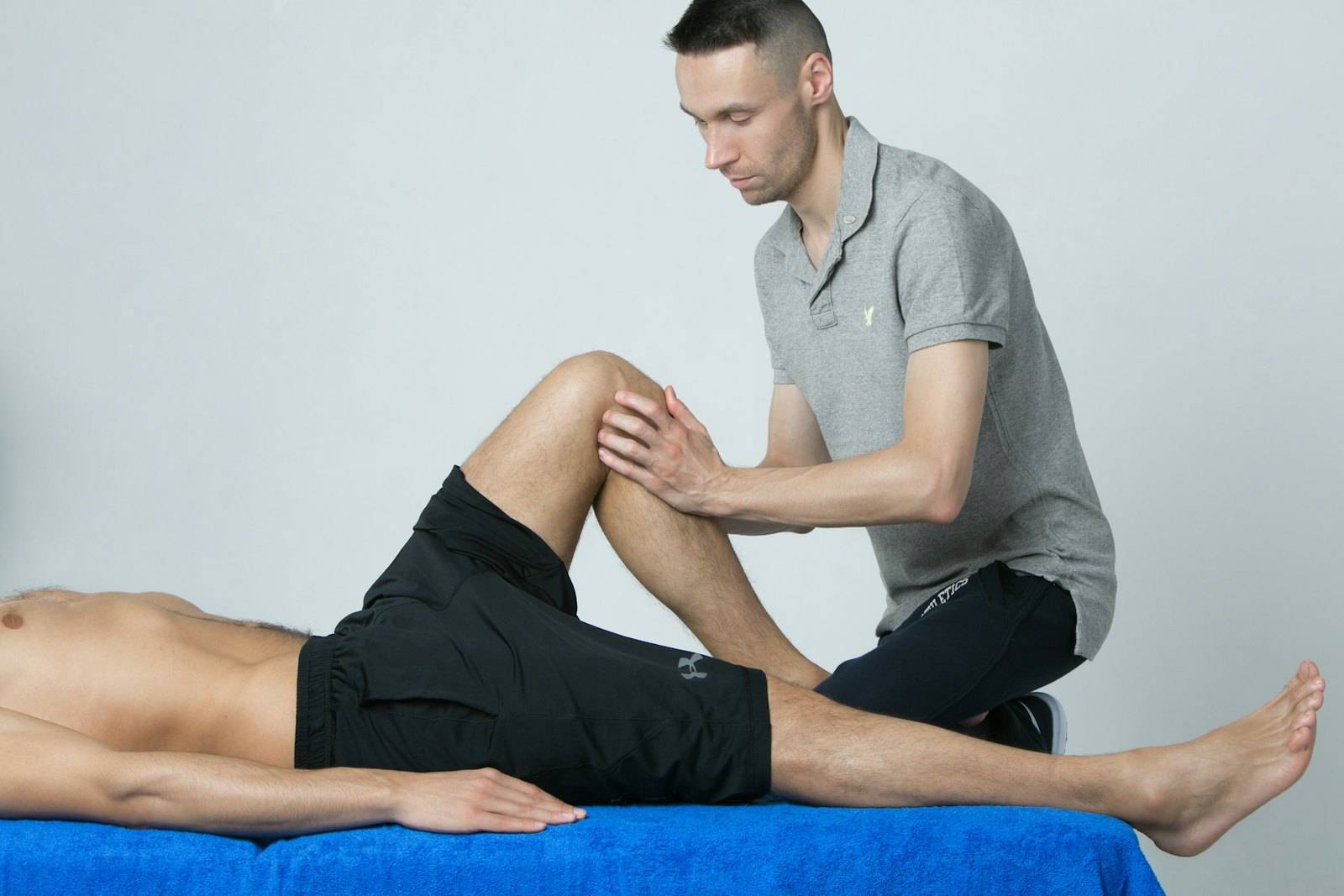
Musculoskeletal & Sports Physiotherapy
Orthopaedic and sports rehabilitation: fractures, arthroplasty, spine care, injury prevention and return to sport.
Explore department
Neurological Physiotherapy
Assessment and rehabilitation of stroke, spinal cord injury, Parkinsonism and other neurological conditions.
Explore department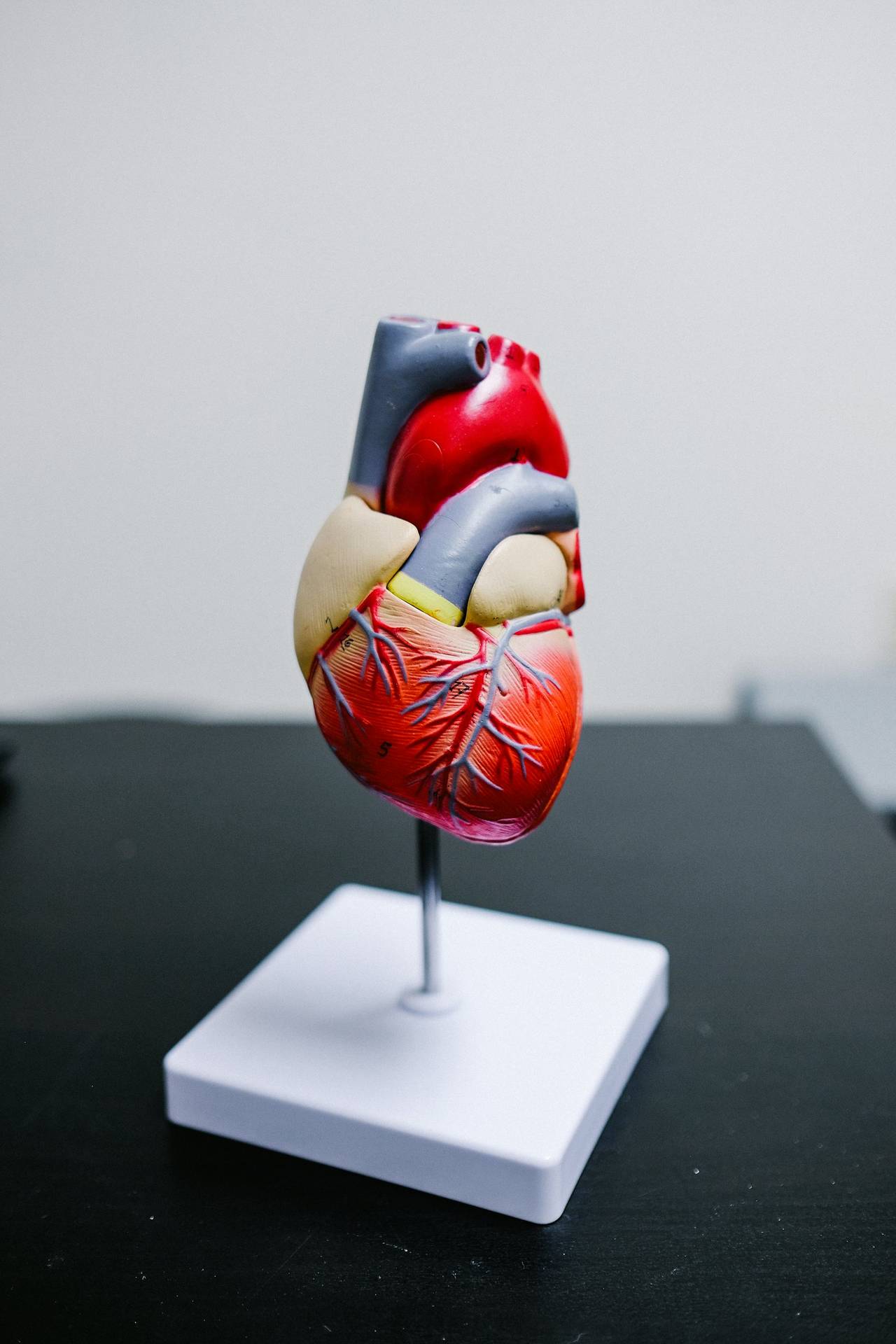
Cardiovascular & Pulmonary Physiotherapy
Cardiac and pulmonary rehabilitation, chest physiotherapy, ICU care and exercise testing.
Explore department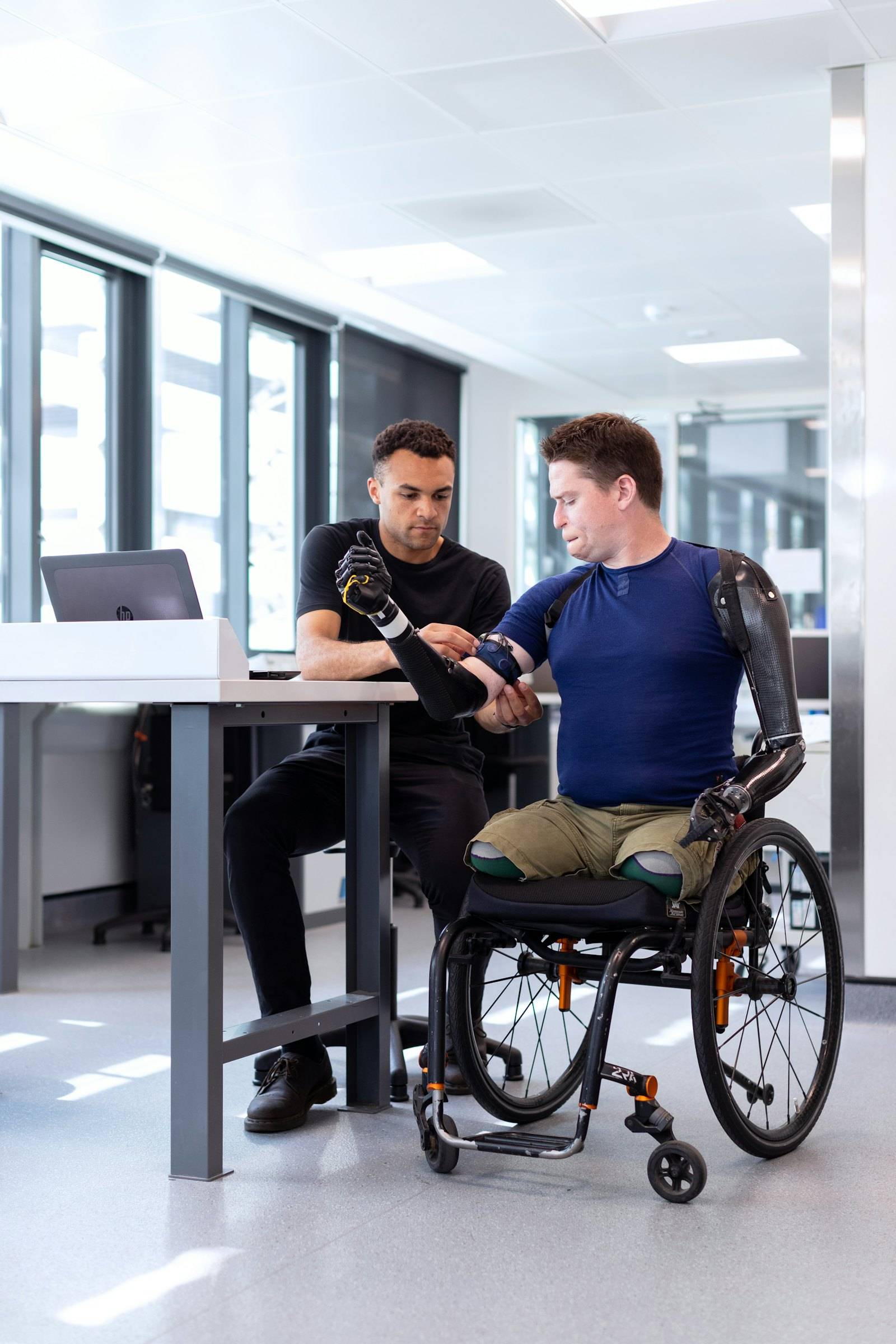
Community Physiotherapy & Rehabilitation
Community-based rehabilitation, geriatrics, ergonomics, disability screening and health promotion.
Explore department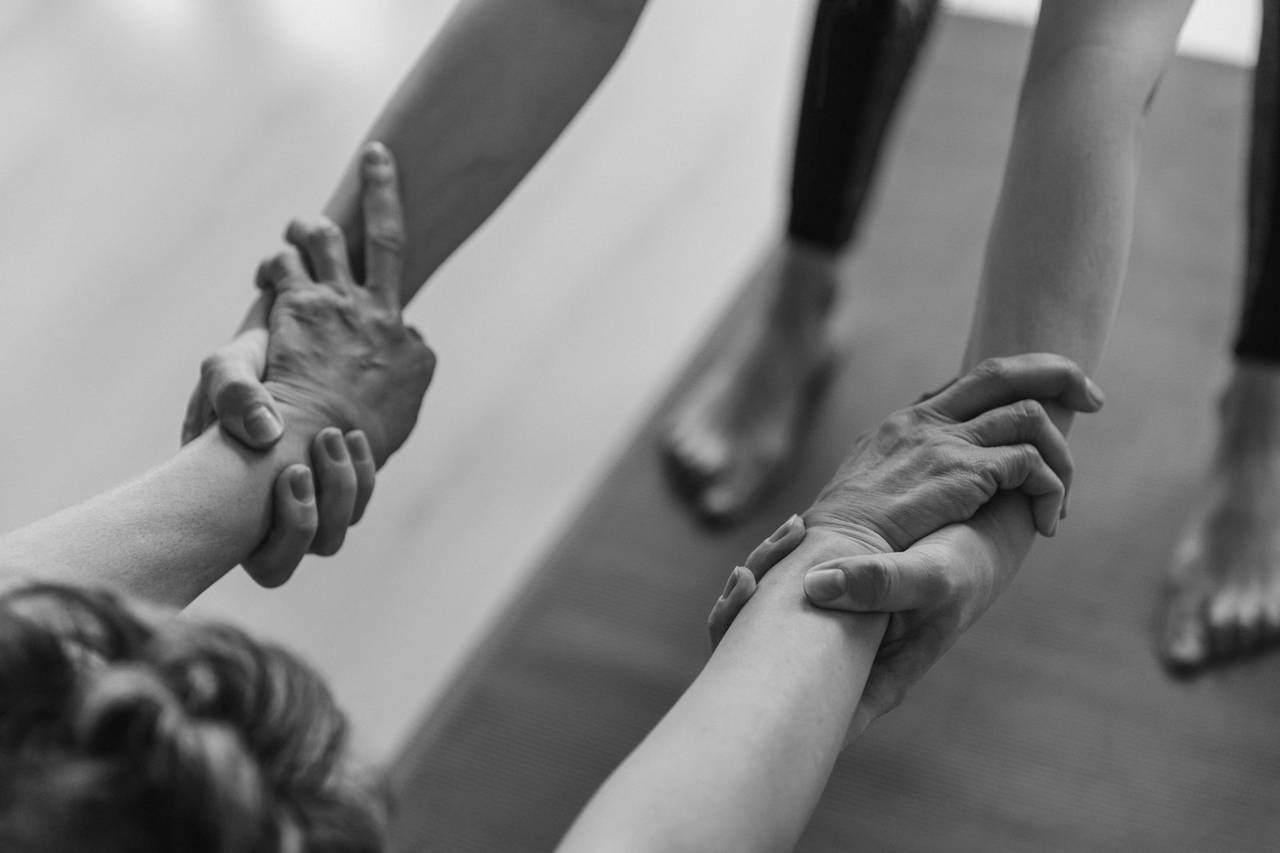
Paediatric & Women's Health Physiotherapy
Developmental paediatrics, neonatal care, and obstetric & gynaecological physiotherapy across a woman's life.
Explore departmentWhich department teaches what
The table shows the BPT courses each department leads. Subject codes and years follow the scheme of study in the NCAHP curriculum. Some large courses are taught in units by more than one department.
| Department | BPT subjects (codes) | Year |
|---|---|---|
| Basic Medical Sciences | BPT-101 Human Anatomy · BPT-102 Human Physiology · BPT-103 Biochemistry · BPT-201 Pathology & Microbiology · BPT-202 Pharmacology | 1–2 |
| Exercise Therapy & Electrotherapy | BPT-104 Fundamentals of Exercise Modalities · BPT-105 Fundamentals of Electro-Physical Agents · BPT-205 Exercise Therapy · BPT-206 Electrotherapy · BPT-207 Biomechanics & Kinesiology · BPT-306 Physical & Functional Diagnosis (jointly) | 1–3 |
| Musculoskeletal & Sports Physiotherapy | BPT-303 Orthopaedics · BPT-305 PT in Orthopaedic Conditions · BPT-405 Sports Physiotherapy & Exercise Prescription · musculoskeletal special tests in BPT-306 | 3–4 |
| Neurological Physiotherapy | BPT-401 Neurology, Psychiatry & Neurosurgery · BPT-402 PT in Neurological & Neurosurgical Conditions | 4 |
| Cardiovascular & Pulmonary Physiotherapy | BPT-204 Emergency Care & Life Support Skills · BPT-301 General Medicine & Paediatrics (shared) · BPT-302 General Surgery · BPT-304 medical and surgical units · BPT-403 Cardiothoracic Diseases & Surgeries · BPT-404 PT in Cardiothoracic & Surgical Conditions | 2–4 |
| Community Physiotherapy & Rehabilitation | BPT-110 Clinic Orientation (coordination) · BPT-203 Public Health & Health Promotion · BPT-208 Yoga & Systems of Medicine · BPT-304 geriatrics, oncology and fitness units · BPT-407 Community Physiotherapy & Rehabilitation | 1–4 |
| Paediatric & Women's Health Physiotherapy | Paediatric units of BPT-301, BPT-304, BPT-305, BPT-402 and BPT-404 · obstetrics and gynaecology unit of BPT-304 | 3–4 |
Full hours, credits and marks for every course are on the Scheme of Study page.
Subjects shared across departments
Some courses belong to every specialty. They are coordinated centrally, with faculty from several departments teaching and supervising together.
BPT-106Psychology & SociologyYear 1 · TheoryBPT-107Fundamentals of the Healthcare Delivery System in IndiaYear 1 · TheoryBPT-108English, Communication & Soft SkillsYear 1 · 60 hours · assessed by the college (NUES)BPT-109Computers & Information ScienceYear 1 · 60 hours · assessed by the college (NUES)BPT-209Clinical ObservationYear 2 · Clinical · 210 hoursBPT-306Physical & Functional Diagnosis and PrescriptionYear 3 · Theory + PracticalBPT-307Research Methodology, Biostatistics & Evidence-Based PracticeYear 3 · TheoryBPT-308Clinical EducationYear 3 · Clinical · 300 hoursBPT-406Physiotherapy Ethics, Medico-Legal Aspects, Management & AdministrationYear 4 · TheoryBPT-408Project Work OrientationYear 4 · 90 hours · assessed by the college (NUES)BPT-409Clinical RotationYear 4 · Clinical · 390 hoursYear 5Rotatory Clinical Internship12 months · minimum 2,016 hours
How the departments work together
Integrated teaching
Basic sciences are linked to their clinical use from the first year, so anatomy and physiology are learned with the patient in mind.
Skills before patients
Practical skills are taught with the DOAP model (Demonstrate, Observe, Assist, Perform) in skills labs before students treat patients.
One OPD, many specialties
The physiotherapy OPD serves musculoskeletal, neurological, cardio-respiratory, sports, women's health and community patients, so departments share clinical teaching.
Joint units
Paediatric teaching runs with the neurological and cardiopulmonary departments, and general medical and surgical units are shared between departments.
Explore the BPT at RCP
See how the departments come together in the four-year programme, or talk to our admission desk about the 40 BPT seats for 2026–27.