
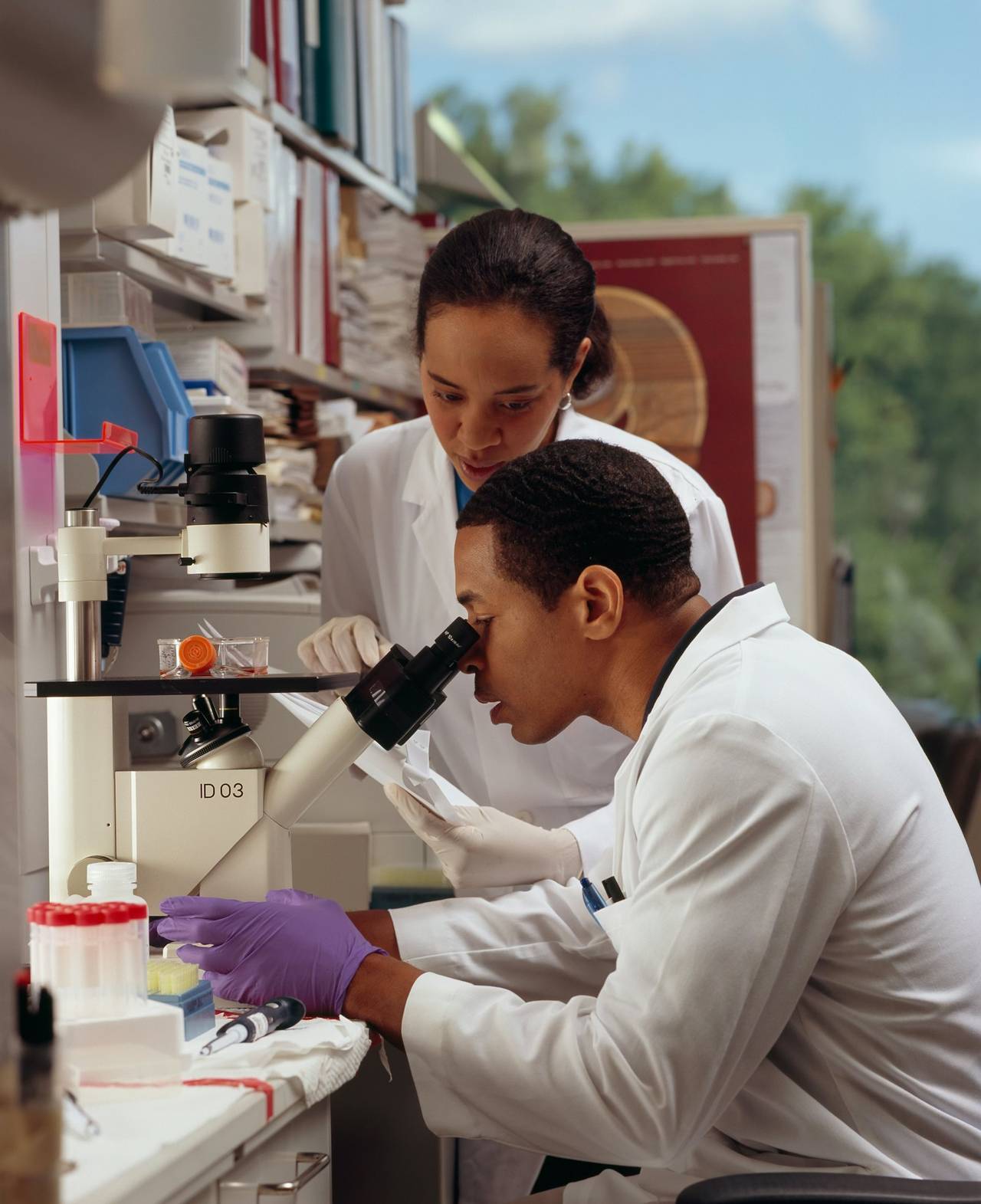
Physiotherapy is learned with the hands. RCP's laboratories are where students first identify a muscle on a model, measure a joint angle, set the dose on an ultrasound unit or clear a mannequin's airway, long before they do the same for a patient. Every laboratory is equipped in line with the Minimum Standard Requirements for the BPT prescribed by the National Commission for Allied and Healthcare Professions (NCAHP).
- Anatomy
- Physiology
- Exercise therapy
- Electrotherapy
- Musculoskeletal & sports
- Neuro
- Cardio-respiratory
- Community
- Skill lab
- Physiotherapy OPD
The NCAHP Curriculum Handbook of Physiotherapy (2025) prescribes minimum equipment for each laboratory and for the OPD, and lists additional items for students in the third and fourth years of the course. For an intake of 50, the norms allot 1,200 sq. ft. to each laboratory and specialty department. Teaching uses the DOAP model (Demonstrate, Observe, Assist, Perform), so every student practises each procedure under supervision until they can perform it on their own.
Laboratories at a glance
| Laboratory | Main BPT courses | Years |
|---|---|---|
| Anatomy | BPT-101 Human Anatomy | 1 |
| Physiology | BPT-102 Human Physiology | 1 |
| Exercise therapy & kinesiotherapy | BPT-104, BPT-205, BPT-207, BPT-306 | 1–3 |
| Electrotherapy & electrodiagnosis | BPT-105, BPT-206 | 1–2 |
| Musculoskeletal & sports | BPT-305, BPT-405 | 3–4 |
| Neuro-physiotherapy | BPT-402 | 4 |
| Cardio-respiratory | BPT-304, BPT-404 | 3–4 |
| Community physiotherapy | BPT-203, BPT-407 | 2–4 |
| Skill laboratory | BPT-204 and clinical skills practice | 2–4 |
Anatomy laboratory
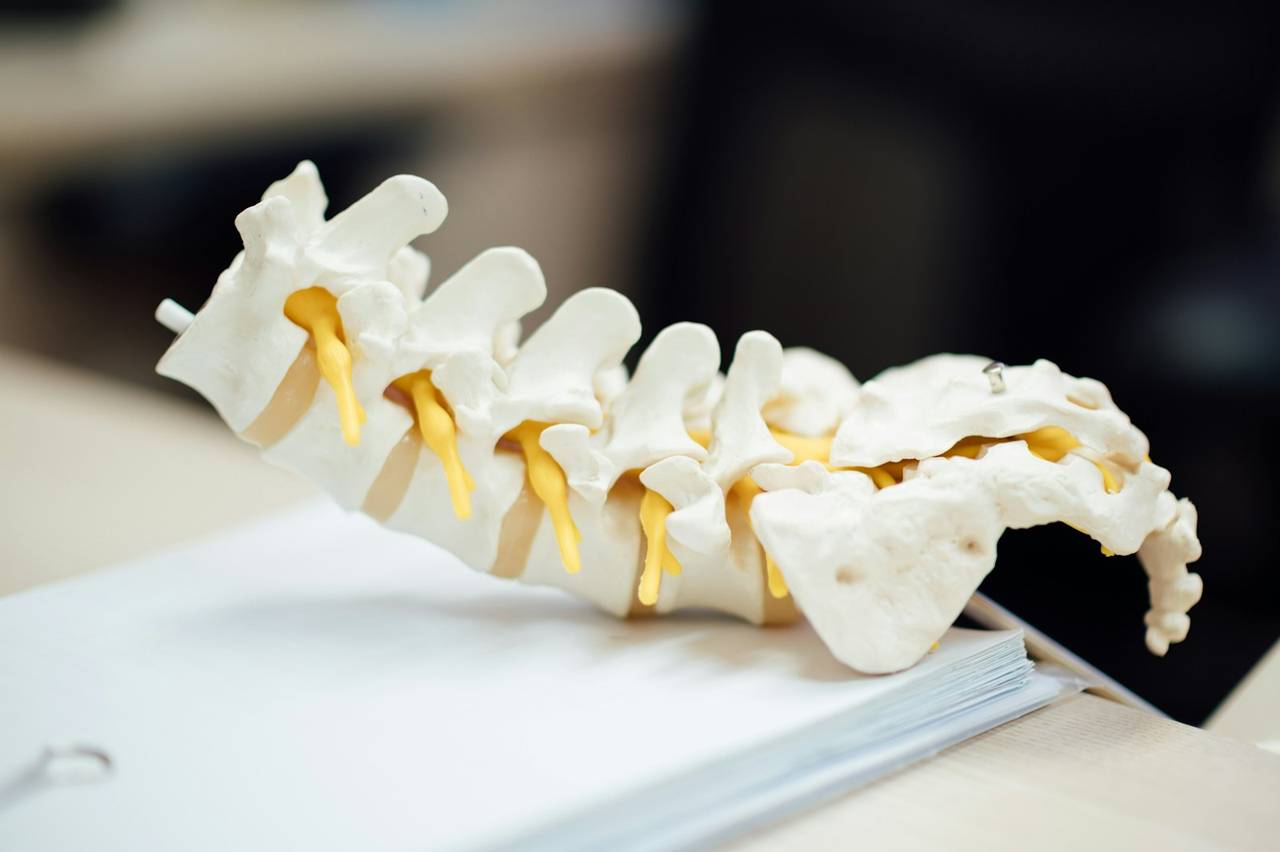
The anatomy laboratory has a dissection facility, disarticulated bone sets including spine sets, and specimens and models of the major organs and regions. A computer with anatomy software and virtual anatomy models, with a multimedia projector and screen, helps students learn musculoskeletal and neurological anatomy in three dimensions. Run by the Department of Basic Medical Sciences.
- Dissection facility
- Disarticulated bone sets
- Spine sets
- Heart and lung
- Brain and spinal cord
- Upper and lower limb
- Spine
- Gastrointestinal system
- Male and female urogenital systems
- Anatomy software and virtual models
- Multimedia projector and screen
Physiology laboratory
The physiology laboratory supports haematology, cardio-respiratory and exercise physiology, and the testing of sensation and the special senses. Students learn to carry out and interpret the measurements they will later use at the bedside. Run by the Department of Basic Medical Sciences.
- Oil-immersion microscopes with demonstration eyepieces
- Haemoglobinometers
- Haemocytometers
- Westergren's and Wintrobe's pipettes
- Mercury and digital sphygmomanometers
- Stethoscopes
- Spirometers
- Gas analysis apparatus
- Basal metabolism apparatus
- Polygraph
- Kymograph
- Mosso's ergograph
- Bicycle ergometers
- Aesthesiometers
- Algometer
- Knee hammers
- Tuning forks
- Schematic eye
- Newton's colour wheel
- Lister's perimeter
- Edridge-Green colour perception lantern
- Dynamometer
Exercise therapy & kinesiotherapy laboratory (gymnasium)
The gymnasium is where students learn to measure movement and to prescribe, teach and progress exercise. It has the large apparatus of a therapeutic gym alongside small exercise equipment, walking aids and measurement tools. For senior students, the norms add fitness-assessment equipment, a computerised treadmill and a hydrotherapy unit. Run by the Department of Exercise Therapy & Electrotherapy.
- Parallel bars
- Wall bar
- Suspension frames
- Tilt table
- Staircase and slope
- Quadriceps table
- Multi-gym
- Rowing machine
- Ergocycles
- Pedo cycle
- Shoulder wheel
- Finger ladder
- Wrist roller
- Ankle exerciser
- Delorme shoes
- Dumbbells and weight cuffs
- Sandbags and springs
- Resistive bands
- Medicine and vestibular balls
- Bolsters and wedges
- Equilibrium boards
- Exercise mats
- Walkers, crutches and sticks
- Wheelchairs
- Universal, digital and spinal goniometers
- Inclinometers
- Reflex hammers
Senior-year additions listed in the norms
- Hand dynamometer
- Skinfold caliper
- Body composition analyser
- Stadiometer
- Computerised treadmill
- Sensory assessment kit
- Pressure-pain algometer
- Hydrotherapy unit
Electrotherapy & electrodiagnosis laboratory
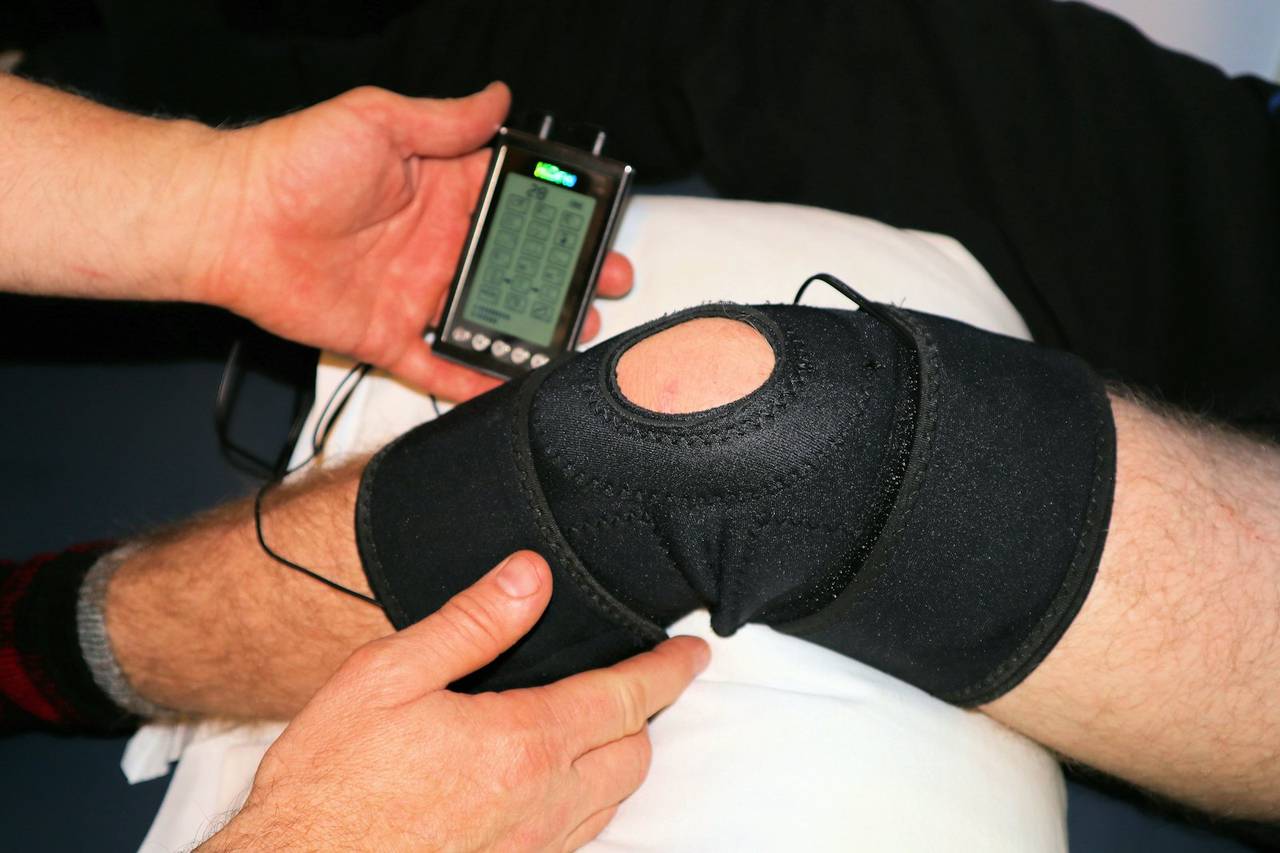
Students learn the physics, safety, choice and dosage of electro-physical agents here, and how to carry out electro-diagnostic tests. Senior students also train on EMG/NCV, biofeedback, shockwave and combination therapy units. Run by the Department of Exercise Therapy & Electrotherapy.
- Short-wave diathermy
- Microwave diathermy
- Pulsed diathermy (PEME)
- Therapeutic ultrasound (1 and 3 MHz)
- Interferential therapy
- TENS
- Laser
- Infrared lamps
- Paraffin wax bath
- Hydrocollator with hot packs
- Cryotherapy packs
- Diagnostic stimulators
Senior-year additions listed in the norms
- EMG/NCV
- EMG biofeedback
- Extracorporeal shock wave therapy
- Combination therapy
Musculoskeletal & sports physiotherapy laboratory
This laboratory supports orthopaedic assessment and treatment practice, surface anatomy and biomechanics, and gait and functional training. Students learn to fit, check and prescribe orthoses, splints and mobility aids. Run by the Department of Musculoskeletal & Sports Physiotherapy.
- Treatment couches
- Tilt table
- Balance board
- Articulated bone set
- Articulated spine models
- Upper-limb orthoses and splints
- Lower-limb orthoses and splints
- Spinal orthoses
- Standard and cambered wheelchairs
- Axillary and elbow crutches
- Adjustable walking sticks
- Tripod and tetrapod sticks
Neuro-physiotherapy laboratory
Equipped for neurological assessment and rehabilitation, this laboratory is used to practise positioning and facilitation techniques, transfers, balance and gait training, and sensory testing. Run by the Department of Neurological Physiotherapy.
- Suspension frame
- Parallel bars
- Staircase
- Balance boards
- Transfer boards
- Wheelchairs
- Crutches
- Mats
- Gym balls
- Bolsters
- Wedges
- Pillows
- Monofilament sensory testing kits
- Reflex hammers
Cardio-respiratory physiotherapy laboratory
Students learn lung-function and exercise testing, airway clearance and respiratory care here, and handle the oxygen, ventilation and airway equipment they will meet in wards and ICUs. Run by the Department of Cardiovascular & Pulmonary Physiotherapy.
- Pulmonary function testing system
- Cardio-pulmonary exercise testing unit
- Motorised treadmill with incline control
- Arm ergometer
- Hand-held Doppler
- Nebulisers
- Mechanical vibrators
- Postural drainage couches
- Electronic and foot-operated suction
- Suction catheters
- Incentive spirometers
- Inspiratory muscle trainers
- Peak flow meters
- Portable oxygen cylinder
- Non-invasive ventilation (BiPAP / CPAP / Auto PAP)
- Ambu bags
- Endotracheal and tracheostomy tubes
- Pedometers
Community physiotherapy laboratory
Equipped for outreach and screening, with portable equipment that lets students run health camps and awareness programmes away from the campus. The norms provide for a vehicle to take students, interns and staff on community visits. Run by the Department of Community Physiotherapy & Rehabilitation.
- Adult weighing machines
- Baby weighing machines
- Height-measuring stands
- Skinfold calipers
- Goniometers
- Body composition analysers
- Portable couches
- Portable tables and chairs
- First aid kits
- Multimedia projectors
- Portable public-address system
- Vehicle for community visits
Skill laboratory
The skill laboratory is a safe, supervised space to rehearse clinical, emergency-care and patient-handling skills before treating patients, including CPR on a mannequin, spinal immobilisation and taping. It is shared by all departments.
- Treatment couches
- CPR mannequin
- Bed that can prop up a patient
- Spine boards
- Bandages and taping material
- Therabands
- Bolsters
- Mats
- Gym balls
Physiotherapy out-patient department (OPD)
NCAHP norms require every BPT college to run its own well-equipped physiotherapy OPD on the college premises, with instruments for all specialties. RCP's on-campus OPD gives students supervised clinical exposure and serves musculoskeletal, neurological, cardio-respiratory, sports, women's health and community physiotherapy patients.
- Reception and waiting area
- Consultation rooms with examination couches
- Electrotherapy unit with separate chambers for different modalities
- Space for cryotherapy, wax bath and hydrocollator
- Treatment cabins
- Exercise-therapy gymnasium
- Space for parallel bars, gait training and mat exercises
- Hydrotherapy unit
- Records and storage
See the laboratories for yourself
Visit the campus with your family, or enquire about BPT admissions for 2026–27.