
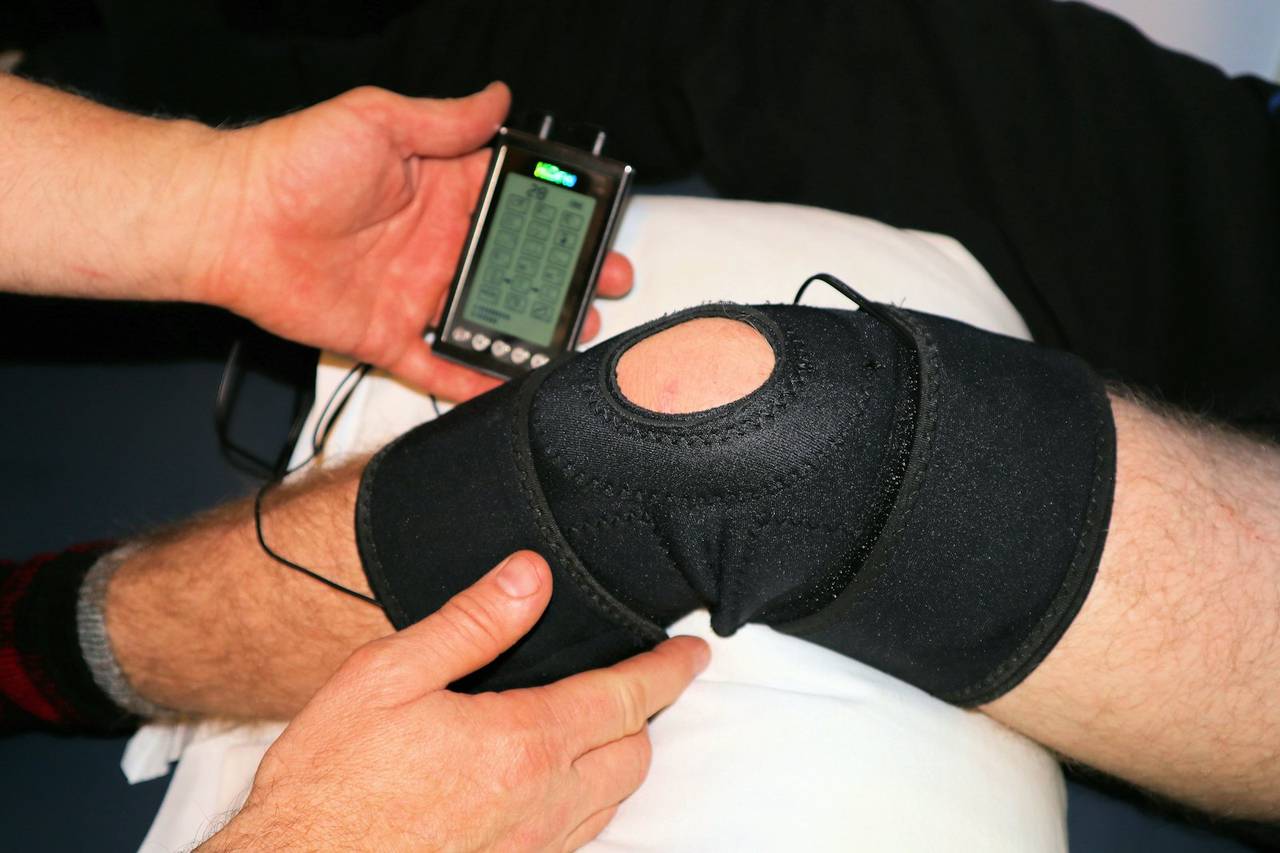
This department teaches the core treatment tools of physiotherapy: therapeutic exercise, manual therapy and electro-physical agents, together with the biomechanics that explains why they work. Over the first two years, students move from the physics and principles of movement and electricity to choosing, dosing and progressing exercise and modalities to suit the stage of tissue healing. In the third year the department leads, with the clinical departments, the teaching of physical and functional diagnosis based on the WHO ICF framework, the basis of assessment in every specialty.
Subjects we teach
BPT-104Fundamentals of Exercise ModalitiesYear 1 · Theory + Practical · 180 hoursMechanics, planes and axes, joint measurement including electronic goniometry, starting positions, transfers, basic assessment, prescribing movement aids, and active, assisted, resisted and passive movements.
BPT-105Fundamentals of Electro-Physical AgentsYear 1 · Theory + Practical · 180 hoursThe physics of electricity, light and sound, electrical safety, low-frequency currents, electro-diagnostic tests, superficial heat, and the physiology and theories of pain.
BPT-205Exercise TherapyYear 2 · Theory + Practical · 270 hoursRelaxation, suspension therapy, posture, breathing and group exercise, stretching, manual therapy and joint mobilisation, traction, aerobic exercise, Frenkel's exercises, motor learning and PNF.
BPT-206ElectrotherapyYear 2 · Theory + Practical · 270 hoursUltrasound, LASER, cryotherapy, compression, shockwave, TENS, interferential and other currents, biofeedback, diathermy and hydrotherapy, with modality choice and dose calculation by stage of healing.
BPT-207Biomechanics & KinesiologyYear 2 · Theory · 180 hoursThe kinetics and kinematics of human movement, the link between structure and function, and analysis of normal and abnormal posture and gait.
BPT-306Physical & Functional Diagnosis and PrescriptionYear 3 · Theory + Practical · 180 hours · taught jointly with the clinical departmentsDiagnosing impairments, activity limitations and participation restrictions with the ICF framework, using valid and reliable tools and special tests practised on a healthy model first.
What you will learn
- Measure joint range of motion (including with an electronic goniometer), test muscle strength, and carry out basic motor, sensory, coordination and balance assessment
- Prescribe and progress passive, active, assisted, resisted, endurance, strengthening, balance and coordination exercise, and record dosage in the prescribed format
- Perform stretching, relaxation, suspension therapy, PNF, Frenkel's exercises, functional re-education, postural correction and breathing exercises
- Apply manual therapy and peripheral joint mobilisation (Maitland, Kaltenborn, Mulligan, with the principles of McKenzie, MET, Cyriax and neurodynamics), and manual and mechanical traction
- Select, dose and apply electro-physical agents safely, matched to the stage of healing, and maintain the equipment
- Carry out electro-diagnostic tests (strength–duration curve, chronaxie, rheobase) and stimulate motor points
- Analyse normal and abnormal posture and gait using kinetic and kinematic principles
- Carry out region-wise special tests and record findings using the ICF model
Modalities & clinical areas
Electro-physical agents
- Iontophoresis
- Faradic and interrupted direct current
- TENS
- Interferential therapy
- Russian and Rebox currents
- Biofeedback
- Therapeutic ultrasound
- LASER
- Shortwave and pulsed shortwave diathermy
- Infrared
- Paraffin wax
- Moist heat
- Cryotherapy
- Intermittent compression
- Shockwave
- Hydrotherapy (Hubbard tank, contrast and whirlpool baths)
- Combination therapy
Exercise and manual therapy
- Therapeutic gymnasium
- Aerobic conditioning and exercise testing
- Group exercise
- Motor learning and motor control
- Suspension therapy
- PNF
- Frenkel's exercises
- Peripheral joint mobilisation
- Manual and mechanical traction
- Stretching and relaxation
- Posture and breathing exercise
Recent advances (introduced in Year 2)
- High-power Class IV laser
- PEMF
- High-intensity magnetotherapy
- Spinal decompression
- Pneumatic compression
- Functional electrical stimulation
- TECAR
- Cold-air cryotherapy
- Virtual and augmented reality
- Robotic therapy
Clinical problems addressed
- Pain
- Inflammation and tissue healing
- Movement impairments
- Neuromuscular lesions
- Postural deviations
- Gait deviations
Laboratories
Both laboratories are equipped in line with the NCAHP minimum standards. The norms list some items specifically for students in the third and fourth years of the course.
Exercise therapy & kinesiotherapy laboratory (gymnasium)
- Parallel bars
- Wall bar
- Suspension frames
- Tilt table
- Staircase and slope
- Quadriceps table
- Multi-gym
- Rowing machine
- Ergocycles and pedo cycle
- Shoulder wheel and finger ladder
- Wrist roller and ankle exerciser
- Delorme shoes, dumbbells, weight cuffs
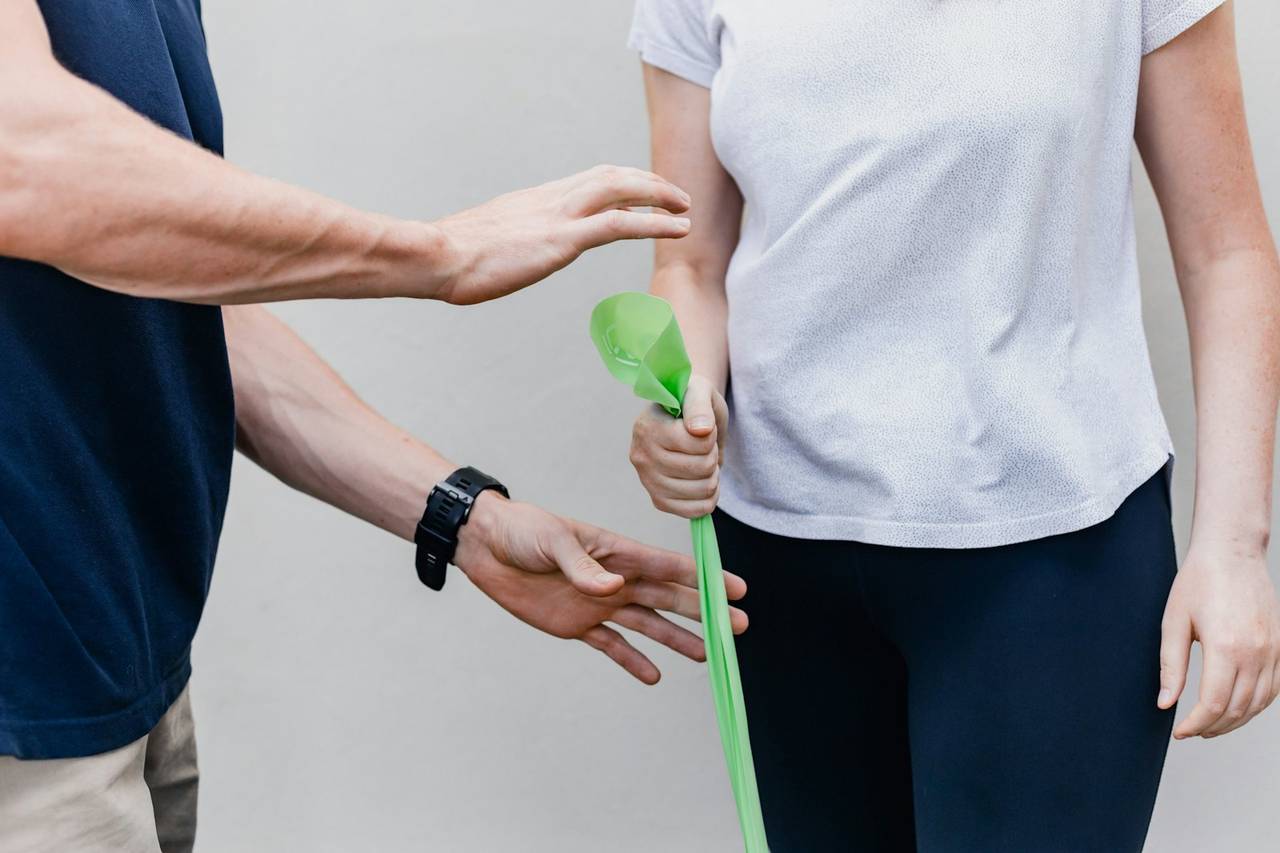
- Resistive bands and medicine balls
- Vestibular balls, bolsters and wedges
- Equilibrium boards
- Walking aids and wheelchairs
- Universal, digital and spinal goniometers
- Inclinometers
Electrotherapy & electrodiagnosis laboratory
- Short-wave diathermy
- Microwave diathermy
- Pulsed diathermy (PEME)
- Ultrasound (1 and 3 MHz)
- Interferential therapy
- TENS
- Laser
- Infrared lamps
- Paraffin wax bath
- Hydrocollator and hot packs
- Cryotherapy packs
- Diagnostic stimulators
- Senior years: EMG/NCV, EMG biofeedback, shockwave, combination therapy
Clinical postings
There is no separate internship posting for this department because its skills are used in every posting. Students first apply exercise and electrotherapy under supervision during Clinical Observation (BPT-209, 210 hours) in the second year, then in Clinical Education (BPT-308, 300 hours) in the third year, where they decide treatment parameters and dosage at the bedside and in the OPD.
The college physiotherapy OPD, which the Year 4 Clinical Rotation (BPT-409) includes, has an electrotherapy unit with separate chambers for different modalities, space for cryotherapy, wax bath and hydrocollator, and an exercise-therapy gymnasium with room for parallel bars, gait training and mat work. Clinical training & OPD.
Career & higher study
Preparing treatments and equipment and applying exercise therapy and electrotherapy are part of the entry-level clinical physiotherapist's job described in the national handbook. These skills are used in hospitals, private clinics, sports and fitness centres, and home-based care.
- Every MPT specialty includes Biomechanics & Therapeutics in the first year, building directly on this department's teaching.
- For those drawn to manual therapy and exercise prescription, the MPT specialties in Musculoskeletal Science and Sports Science are natural next steps.
- With many years of experience, physiotherapists can move into extended-scope practice such as advanced manual therapy, taping and aquatic therapy.
RCP offers the BPT only. The MPT is a two-year postgraduate pathway after graduation. See Courses Offered.
Faculty
The department is staffed as per NCAHP faculty norms, which set a core faculty-to-student ratio of 1:10 for undergraduate teaching and require physiotherapy teachers to hold a BPT and an MPT. Meet our faculty.
Learn the tools of the profession
From goniometers to interferential therapy, you will practise every technique until you can perform it on your own. Enquire about BPT admissions for 2026–27.