
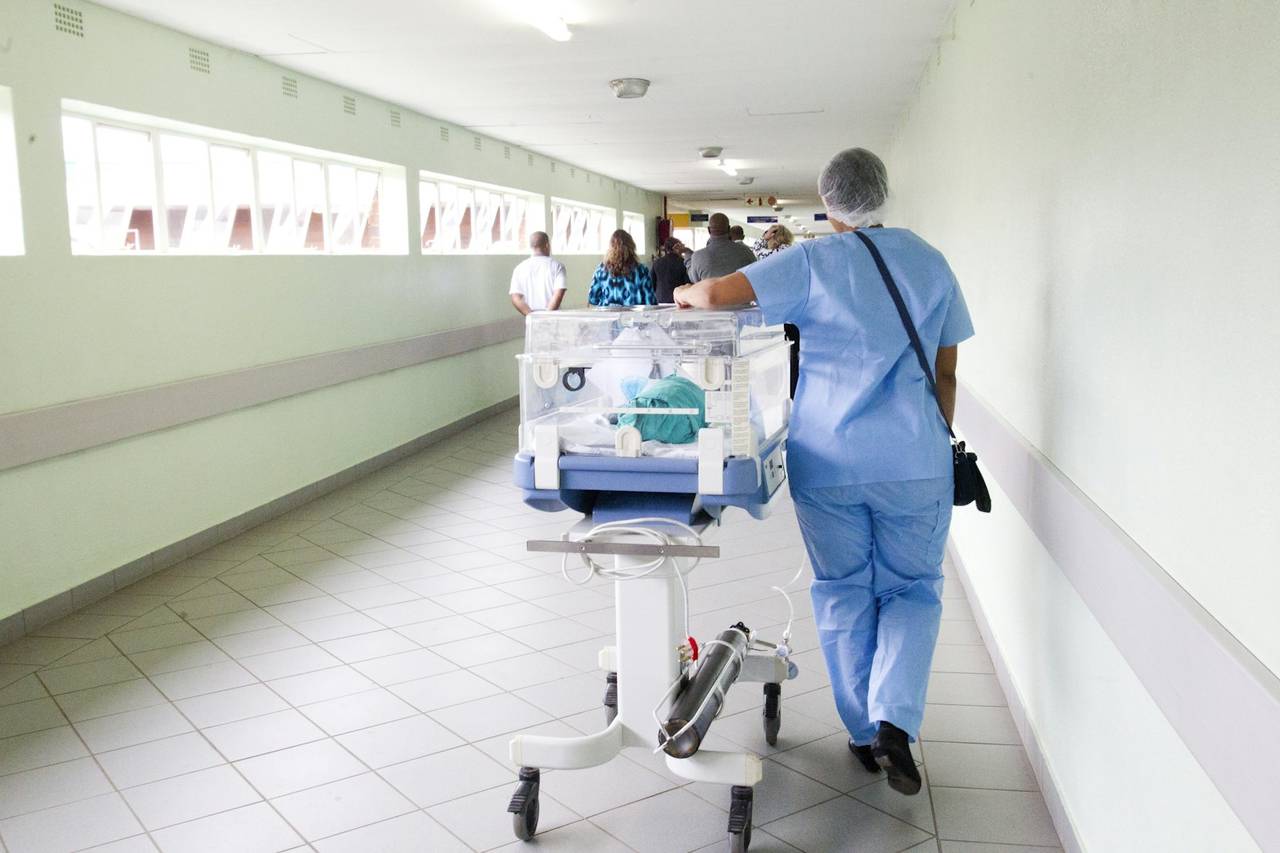
The fifth year of the BPT is a compulsory, full-time Rotatory Clinical Internship. Interns rotate through the clinical departments of the hospital, work with patients under supervision and learn to assess, diagnose and treat independently. The details below follow the NCAHP Curriculum Handbook of Physiotherapy (2025); RGUHS and State Council regulations prevail where they differ.
Goals and objectives
The internship is part of the BPT curriculum. Its goal is to train graduates to assess, diagnose and treat patients independently. By the end of the internship, the graduate should:
- Assess, diagnose, prevent and treat physiotherapy patients independently
- Have built confidence and skill in simulation and treatment delivery
- Communicate effectively with patients, families, colleagues and the community
- Be able to keep up with recent advances, treatment procedures and research in physiotherapy
Eligibility and registration
- The intern must have passed all examinations (University and internal), theory and practical, in all subjects of all 4 years, earning the total credits of the programme.
- Before the internship begins, the institute reports the candidates' details, and each student takes provisional registration from the Commission/Council.
- Interns are titled "Physiotherapy Intern / B.P.T. Intern".
- Interns are responsible for proper use of equipment and must pay for any damage caused by improper use.
Where the internship is done
The internship is held in the institute's hospital or in affiliated/approved hospitals. The institution running the BPT must have its own fully equipped physiotherapy clinic. Internship hospitals must have a separate physiotherapy department with qualified physiotherapists registered with the Council/Commission, the necessary infrastructure, and a senior physiotherapist with enough clinical experience in charge.
The Director/Principal may, at his/her discretion, issue an NOC for an internship at a place of the student's choice if that hospital meets these criteria. The student must submit details of the physiotherapy services available there.
Duration and working hours
- Full-time, an average of 7 hours a day, 6 days a week, for 12 calendar months.
- Total: one year (12 months) = minimum 2016 hours (7 × 6 × 48).
- The 12 months include postings in rural set-ups, CBR or similar.
- Interns rotate through the OPD and IPD facilities of the clinical departments of the institution's/university's hospitals.
Leave: a maximum of 12 holidays during the whole internship, i.e. at most one leave per month in addition to one weekly day off. Any absence beyond this, for medical or other emergencies, must be made up by working extra days.
Department-wise rotatory postings
Interns rotate through ten areas over the year (Table 4.13 of the handbook):
| Sl. No. | Department / area | Duration |
|---|---|---|
| 1 | Musculoskeletal / Orthopaedic Physiotherapy | 45 days |
| 2 | Neurological Physiotherapy | 45 days |
| 3 | Community Physiotherapy / Rural posting | 2 months |
| 4 | Cardiology ICU / NICU | 1 month |
| 5 | Pulmonology / TB Hospital / Medicine | 1 month |
| 6 | Sports Physiotherapy | 1 month |
| 7 | Obstetrics and Gynaecological Physiotherapy | 1 month |
| 8 | Pediatric | 1 month |
| 9 | Surgery / Oncology | 1 month |
| 10 | Burns and Plastic Surgery | 1 month |
Externship, rural posting, BLS and stipend
Externship
Up to 4 months of the internship may be done as an externship at an institute approved by the State Council.
Rural posting
Two months of rural posting, preferably in a government setting such as a CHC, PHC or Rural Rehabilitation Centre, coordinated by the State Council.
Basic Life Support
BLS certification is mandatory during the internship. The institute organises it with certified instructors.
Stipend
A stipend is paid to interns by the institute, as prescribed by the State Council.
Supervision and case work
- Faculty-to-intern ratio: maximum 1:10.
- Departments are headed by the senior-most physiotherapist (registered with the Council), following the hierarchy prescribed by the Commission. Institutional faculty coordinate the internship.
- Physiotherapy faculty in the hospital are responsible for clinical training and teaching in OPDs, IPDs and ICUs.
- Each intern keeps a log book of daily clinical activities and learning, and presents case reports at a weekly clinical discussion meeting, moderated by institutional faculty and the physiotherapist in charge.
- Each intern must complete at least twelve case presentations / peer group reviews from the clinical departments of posting.
- The Commission inspects clinical facilities to decide how many interns each hospital may take.
Internship completion certificate. Signed by the supervising physiotherapist/HOD Physiotherapy and countersigned by the Principal, it lists every clinical department of posting with the number of days and dates. It is mandatory for registration to practise the profession.
Documentation in SOAP format
Interns document assessments and treatment in the SOAP format, as set out in the handbook.
Initial assessment
- Subjective examination (symptoms)
- Objective examination (measurable, observable)
- Action/analysis: interpretation of the current condition and the intervention given
- Plan of action
- Written or verbal feedback from the client or carers
- Discharge plan
- Agreement to the treatment plan by the patient or "person responsible"
Progress notes
- Each intervention recorded in SOAP format, including the response, using outcome measures
- Oral consent documented when treatment, treatment options or health status change significantly
- Written consent for designated invasive procedures
- Changes in status or events affecting discharge plans/goals
- Consultations with key clinical team members
Project work and case presentations
Each intern submits a project under the supervision of a physiotherapy faculty member. It may be a case study, a recent technique or a literature review, and is meant to build a research mindset and prepare for higher studies. Students are introduced to it in the fourth-year course BPT-408 Project Work Orientation.
Twelve case presentations are mandatory during the one-year internship, on specific cases allotted by the teacher/guide. At least 5–10 cases are documented for discussion.
Extension of internship and discipline
The Principal/Director may extend the internship for:
| Reason | Consequence |
|---|---|
| Absence beyond permitted leave | One extra day of work for each day of leave taken. |
| Unsatisfactory performance | If the department in-charge reports unsatisfactory performance, the internship is repeated for at least two more months. |
| Indiscipline | A Discipline and Action Committee (convened by the Internship Coordinator/HOD PT and headed by the Director/Principal) handles indiscipline, breach of trust or criminal activity. Penalties may include suspension for 3–4 weeks, counted as a break in internship and resumed only after an undertaking/guarantee/surety, or, for serious cases, rustication and termination of the internship. |
If a student cannot complete the internship within two years, the case goes to a committee constituted by the State Council for a case-by-case decision.
Evaluation during internship
- There is no University examination for the internship. Students are assessed through a viva on their project work, and the marks are sent to the University.
- The record of work is verified and certified by the supervising physiotherapy faculty / Head of Department, who also assesses attendance, discipline, knowledge, skills and attitude. The assessment report goes to the parent institution.
- Evaluation covers attendance, the log book and project work.
- Internship completion is reported as grades by the HOD/Principal when issuing the "Certificate of Satisfactory Completion", after which the University awards the BPT degree.
- If the report is unsatisfactory, the intern repeats the internship for a period decided by the Head of the Institution.
- The credits and hours of the internship are shown on the transcript.
Criteria for evaluation (Table 4.14)
Each criterion is rated Satisfactory or Unsatisfactory:
- Attendance
- Discipline and general behaviour in the department
- Approach to patients
- Inquisitiveness about the subject
- Knowledge of evaluating conditions
- Knowledge of the various therapeutic modalities
- Knowledge of the actual application of therapeutic skills
Five years to an independent practice
See how the four academic years build up to the internship, from Clinic Orientation in Year 1 to Clinical Rotation in Year 4.