
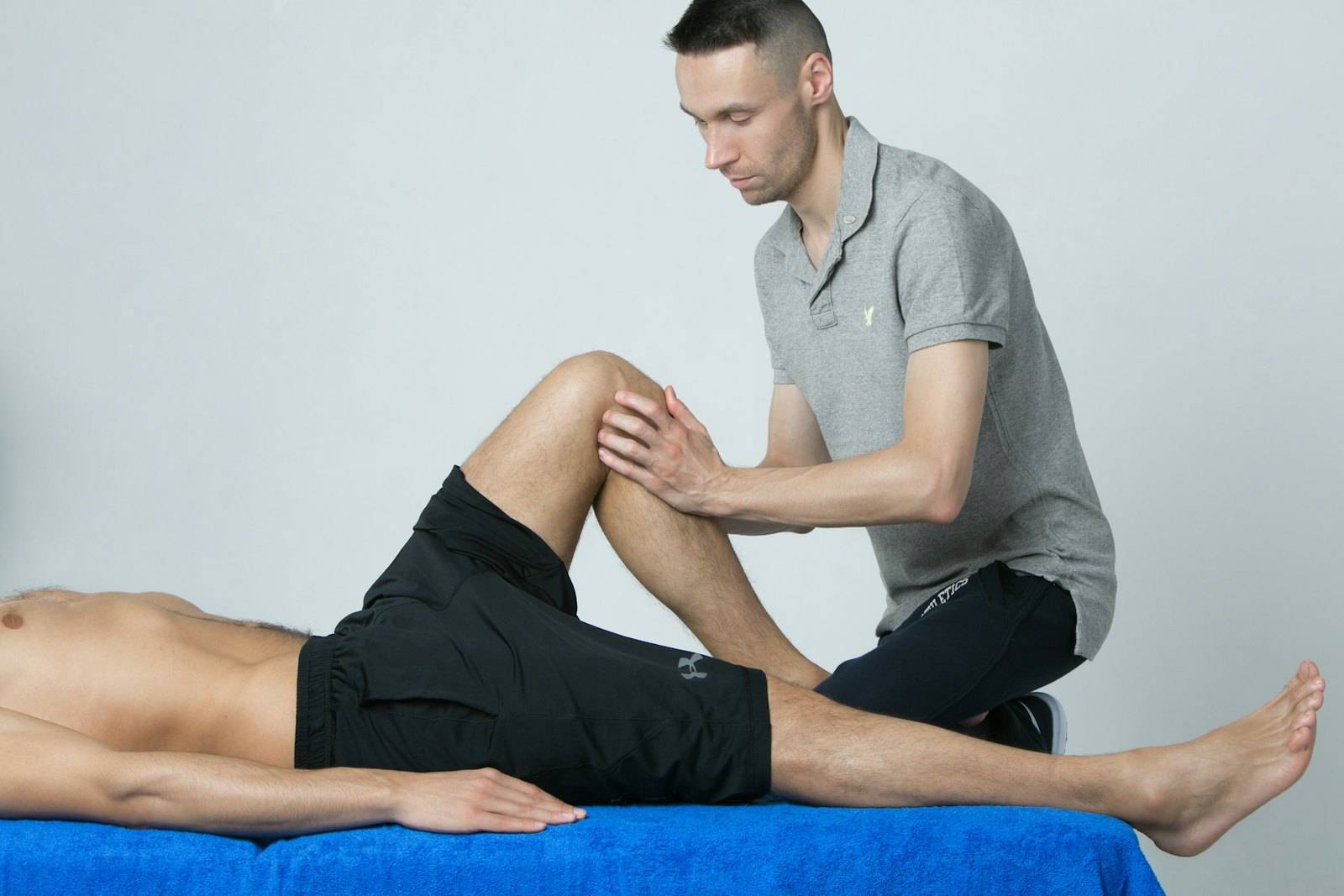
The national curriculum sets a clear aim for musculoskeletal physiotherapy teaching: to give students the knowledge and skills to assess and treat orthopaedic problems on their own. Students first study orthopaedics, including clinical examination, investigations and imaging. They then learn structured, SOAP-format physiotherapy assessment and evidence-based management for adults and children, from fractures and joint disease to spinal disorders, joint replacement, amputee rehabilitation and congenital deformities. In the fourth year, Sports Physiotherapy prepares students to give primary and secondary care to athletes, on the field and in the OPD, and to prescribe exercise for healthy people and people with chronic conditions.
Subjects we teach
BPT-303OrthopaedicsYear 3 · Theory · 120 hoursCauses, clinical features, investigations and conservative or surgical management of disorders and injuries of bones, joints, muscles and soft tissues, including special tests and reading X-rays and scans.
BPT-305Physiotherapy in Adult & Paediatric Orthopaedic ConditionsYear 3 · Theory + Practical · 300 hoursSOAP-format assessment and evidence-based treatment of fractures, joint disease, limb and spine conditions, orthopaedic surgery and joint replacement, amputation and prosthetic training, and deformities.
BPT-405Sports Physiotherapy & Exercise PrescriptionYear 4 · Theory + Practical · 210 hoursSport in health, safe participation and injury prevention, acute and overuse injuries, taping and bandaging, on-field emergencies, fitness testing, Paralympic sport, and exercise prescription.
BPT-306Physical & Functional Diagnosis and Prescription (contribution)Year 3 · Theory + Practical · taught jointlyThe department teaches the musculoskeletal special tests within this cross-departmental course.
What you will learn
- Carry out a complete orthopaedic assessment (history, pain, observation, palpation, range of motion, muscle length, manual muscle testing, limb length and girth, peripheral neurological examination, special tests) and document it in SOAP format
- Make a differential diagnosis of musculoskeletal and soft-tissue disorders and interpret radiological findings relevant to physiotherapy
- Plan rehabilitation during and after immobilisation for fractures, and before and after surgery for arthroplasty, arthroscopy, ligament reconstruction and spinal surgery
- Provide amputee rehabilitation, including stump care and bandaging, pre- and post-prosthetic training, and checking orthoses and prostheses
- Carry out pre-participation screening, give acute on-field care, and apply taping and bandaging
- Test the components of physical fitness and prescribe exercise for healthy populations and people with chronic conditions or obesity
- Give ergonomic advice and home programmes, and select outcome measures
Conditions & clinical areas
Trauma
- Upper and lower limb fractures
- Pelvic and spinal fractures
- Dislocations
- Hand and tendon injuries
- Compartment syndrome
- Volkmann's ischaemic contracture
- Delayed union and malunion
- Myositis ossificans
- Avascular necrosis
- CRPS / RSD
Joint disease
- Osteoarthritis (knee, hip, hand)
- Rheumatoid arthritis
- Ankylosing spondylitis
- Gout
- Periarthritis of the shoulder
- Osteomyelitis
- Septic and pyogenic arthritis
- TB of the spine and major joints
Upper limb & spine
- Shoulder instability
- Impingement
- Rotator cuff tears
- Thoracic outlet syndrome
- Carpal tunnel syndrome
- Spondylosis
- Spondylolisthesis
- Canal stenosis
- Disc prolapse
- Sacroiliac dysfunction
- Coccydynia
- Scoliosis, kyphosis, lordosis
- Torticollis
- Non-specific low back pain
Surgery & deformities
- Hip, knee, shoulder, elbow and wrist replacement
- ACL and PCL reconstruction
- Meniscal surgery
- Tendon transfers
- Ilizarov fixation
- Amputation and prosthetic training
- CTEV
- CDH
- Pes planus and cavus
- Genu varum, valgum and recurvatum
- Coxa vara
Sports injuries
- Ankle sprain
- Knee ligament and meniscal injuries
- Rotator cuff injury
- Tendinitis and bursitis
- Tennis and golfer's elbow
- Hamstring strain
- Quadriceps contusion
- Achilles tendon rupture
- De Quervain's
- Trigger and mallet finger
- Plantar fasciitis
Special groups
- Paralympic sport
- Children and adolescents
- Pregnant women
- Older adults
- People with hypertension or diabetes
- Obesity
Laboratory
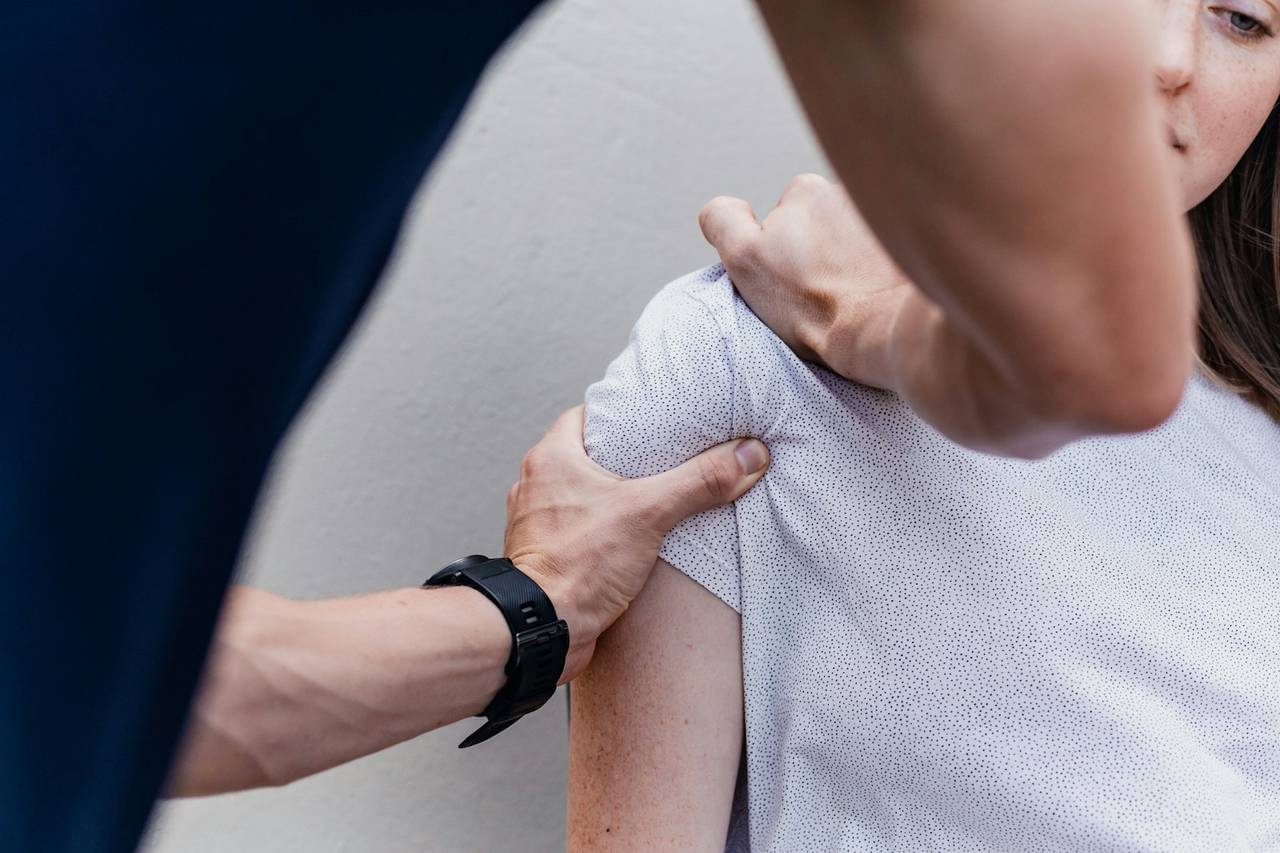
The musculoskeletal & sports physiotherapy laboratory is equipped in line with the NCAHP minimum standards, with couches for assessment and treatment practice, models for surface anatomy and biomechanics, and the orthoses and mobility aids students learn to prescribe and check.
- Treatment couches
- Tilt table
- Balance board
- Articulated bone set
- Articulated spine models
- Upper-limb orthoses and splints
- Lower-limb orthoses and splints
- Spinal orthoses
- Standard and cambered wheelchairs
- Axillary and elbow crutches
- Adjustable walking sticks
- Tripod and tetrapod sticks
For fitness testing and exercise prescription, students also use the senior-year equipment of the exercise therapy laboratory listed in the norms, such as a hand dynamometer, skinfold caliper, body composition analyser, stadiometer and computerised treadmill. The norms also allot separate space to a department of sports physiotherapy, exercise fitness and analysis.
Clinical postings
Orthopaedic teaching starts at the bedside in Clinical Education (BPT-308) in the third year. In the fourth-year Clinical Rotation (BPT-409), students are posted to Orthopaedics and the Physiotherapy OPD, where they assess patients, choose special tests, rule out contraindications and decide treatment dosage under supervision.
| Posting | Duration | Training goals |
|---|---|---|
| Musculoskeletal / Orthopaedic Physiotherapy | 45 days | Orthopaedic assessment; post-operative fractures and orthopaedic conditions; arthroplasty; degenerative conditions; rehabilitation after amputation and poliomyelitis; congenital deformities |
| Sports Physiotherapy | 1 month | Pre-participation evaluation; acute and overuse sports injuries; fitness testing (power, endurance, flexibility, balance); bandaging and taping; orthotics, prosthetics and assistive devices; on-field emergencies |
Career & higher study
Musculoskeletal and sports physiotherapists work in hospitals, private physiotherapy clinics, sports teams and clubs, fitness and wellness centres, and workplaces. The national handbook also points to sports injury care for emerging sportspersons, including in rural areas, injury prevention and safe return to play in schools and colleges, and fitness and conditioning in the defence services.
MPT in Musculoskeletal Science
A two-year specialty under the national curriculum that builds on orthopaedics (BPT-303) and orthopaedic physiotherapy (BPT-305).
MPT in Sports Science
A two-year specialty under the national curriculum that builds on Sports Physiotherapy & Exercise Prescription (BPT-405).
RCP offers the BPT only. These MPT specialties are listed in the national curriculum as pathways after graduation. See also Sports & Physical Education on campus.
Faculty
The department is staffed as per NCAHP faculty norms. Under these norms, orthopaedics is taught by teachers with a postgraduate qualification in the specialty, and physiotherapy by faculty holding a BPT and an MPT. Meet our faculty.
Help people move without pain
Train in orthopaedic and sports physiotherapy as part of the BPT at RCP. Admissions for 2026–27 are open for enquiry.