
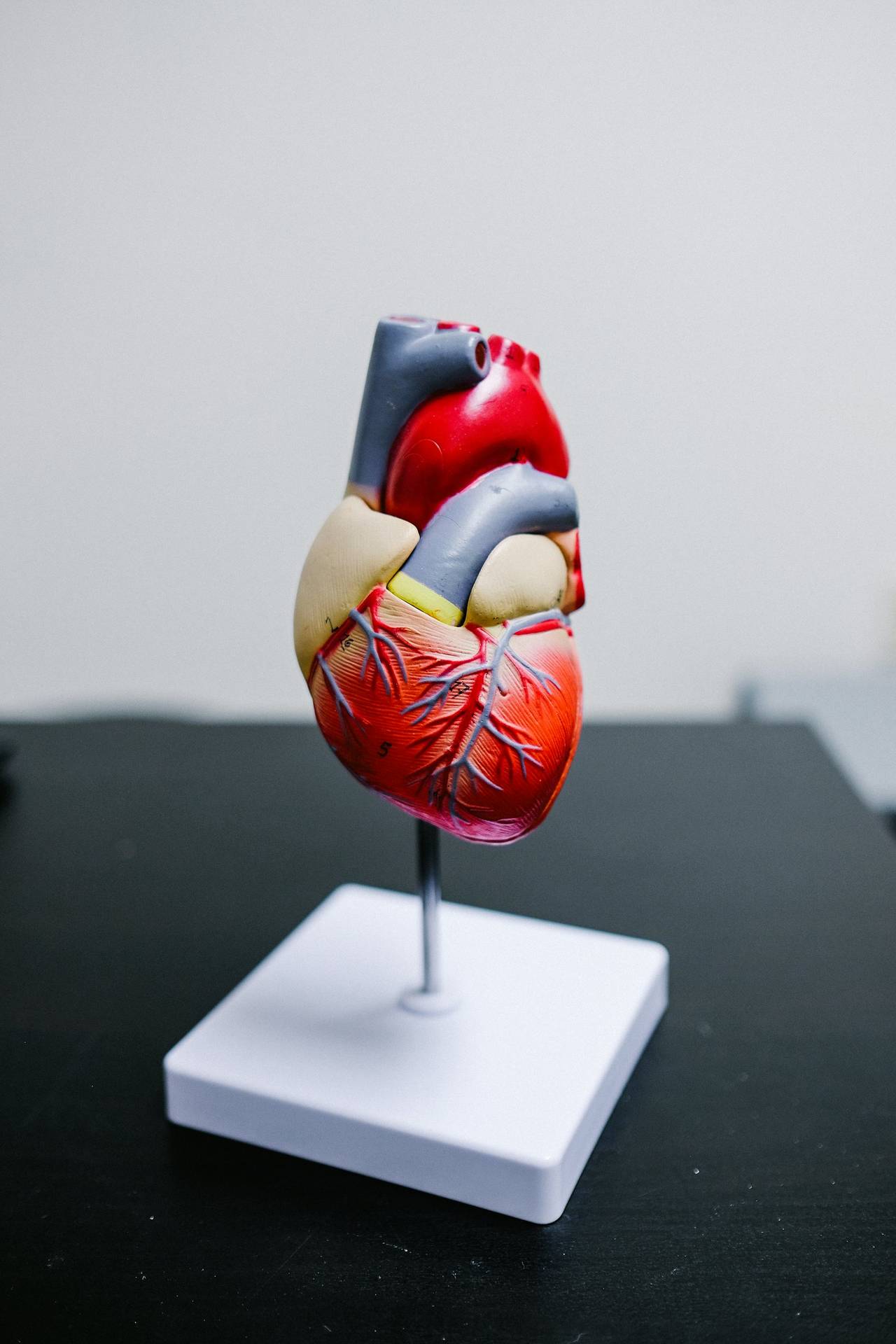
The national curriculum sets the aim of this discipline as enabling students to assess and treat cardiopulmonary conditions competently. That covers bedside case work, ICU monitoring, cardiac and pulmonary rehabilitation, care before and after cardiothoracic surgery, and chest physiotherapy for newborns and children. Building on general medicine, general surgery and cardiothoracic medicine, students learn to interpret ABGs, chest X-rays, lung function tests, ECGs and exercise-test reports, and then plan evidence-based care for acute and chronic heart and lung disease. The department also teaches emergency care and life support in the second year, and the general medical and surgical units on wounds, oedema, abdominal surgery, burns and metabolic conditions.
Subjects we teach
BPT-204Emergency Care & Life Support SkillsYear 2 · Theory + Practical · 120 hoursAirway management, rescue breathing, CPR and AED use, first aid for trauma, burns, bleeding, heart attack, stroke, seizures and bites, triage and safe transport, taught on mannequins and through role play.
BPT-301General Medicine & PaediatricsYear 3 · Theory · 120 hours · shared with the paediatric unitDiagnosis and management of infectious, cardiovascular, nervous, respiratory, gastrointestinal, genito-urinary and skin disorders, with history taking and examination of the chest and heart.
BPT-302General SurgeryYear 3 · Theory · 120 hoursPrinciples of surgery, wound healing, anaesthesia and post-operative complications, and common abdominal, thoracic, pelvic, vascular and plastic surgery as they affect physiotherapy decisions.
BPT-304PT in Adult & Paediatric Medical and Surgical Conditions (units)Year 3 · Theory + Practical · shared with other departmentsUnits on oedema and lymphoedema, wounds and skin conditions, abdominal surgery, burns and skin grafts, hypertension and diabetes, and ENT conditions.
BPT-403Cardiothoracic Diseases & SurgeriesYear 4 · Theory · 120 hoursHeart and blood-vessel diseases such as heart failure, ischaemic and rheumatic heart disease, DVT and pulmonary embolism, and respiratory diseases such as COPD, asthma, pneumonia, TB and bronchiectasis.
BPT-404PT in Adult & Paediatric Cardiothoracic and Surgical ConditionsYear 4 · Theory + Practical · 210 hoursCardiorespiratory assessment, airway clearance and lung expansion, breathlessness management, oxygen and aerosol therapy, cardiac and pulmonary rehabilitation, neonatal chest physiotherapy, post-surgical and ICU care.
What you will learn
- Carry out a cardiorespiratory examination (chest expansion, percussion, tactile and vocal fremitus, auscultation, six-minute walk test) and interpret ABG, chest X-ray, PFT, ECG and blood results
- Perform airway clearance: positioning, postural drainage, chest wall techniques, forced expiration, ACBT, autogenic drainage, PEP and IPPB
- Improve lung volume (deep breathing, thoracic expansion, sustained maximal inspiration, CPAP) and reduce breathlessness (relaxation positions, breathing control, pacing)
- Select and give oxygen, aerosol and humidification therapy
- Carry out clinical exercise testing and prescribe pulmonary and cardiac rehabilitation
- Identify ICU lines and tubes, interpret the ICU monitor, and design evidence-based critical care protocols
- Provide neonatal and paediatric chest physiotherapy, including in the NICU and PICU
- Provide basic life support: airway management, rescue breathing, CPR and AED use, first aid, triage and safe transport
Conditions & clinical areas
Respiratory
- Asthma
- COPD (chronic bronchitis, emphysema)
- Interstitial lung disease
- Bronchiectasis
- Pneumonia
- Pleural disorders
- Tuberculosis
- Lung abscess
Cardiac & vascular
- Ischaemic heart disease
- Cardiac failure
- Rheumatic heart disease
- Hypertension
- Infective endocarditis
- DVT and pulmonary embolism
- Atherosclerosis
- Buerger's disease
Surgery
- Thoracotomy
- Lobectomy and pneumonectomy
- Lung volume reduction
- Pleural surgery
- Lung and heart transplantation
- CABG
- Valve repair and replacement
- Pacemaker insertion
- Correction of congenital heart defects
- Abdominal surgery
Paediatric
- Congenital heart disease (PDA, ASD, VSD, Tetralogy of Fallot)
- Respiratory distress syndrome
- Hyaline membrane disease
- Bronchopulmonary dysplasia
- Meconium aspiration
- Cystic fibrosis
- Childhood asthma
General medical, surgical & critical care
- Wounds and ulcers
- Burns
- Skin grafts and reconstructive surgery
- Oedema and lymphoedema
- Skin conditions
- Diabetes
- Medical ICU
- CTS ICU
- Cardiology ICU
- NICU
Laboratories
The cardio-respiratory laboratory is equipped in line with the NCAHP minimum standards for lung-function and exercise testing, airway clearance and respiratory care. Life support skills are practised in the skill laboratory on mannequins.
Cardio-respiratory laboratory
- Pulmonary function testing system
- Cardio-pulmonary exercise testing unit
- Motorised treadmill with incline control
- Arm ergometer
- Hand-held Doppler
- Nebulisers
- Mechanical vibrators
- Postural drainage couches
- Electronic and foot-operated suction
- Suction catheters
- Incentive spirometers
- Inspiratory muscle trainers
- Peak flow meters
- Portable oxygen cylinder
- BiPAP / CPAP / Auto PAP
- Ambu bags
- Endotracheal and tracheostomy tubes
- Pedometers
Skill laboratory
- CPR mannequin
- Bed that can prop up a patient
- Spine boards
- Bandages and taping material
- Treatment couches
Clinical postings
In the fourth-year Clinical Rotation (BPT-409), students are posted to General Medicine & MICU and General Surgery & CTS ICU, where they learn bedside approach, monitoring and treatment dosage under supervision. Basic Life Support (BLS) certification is mandatory during the internship and is organised by the institute with certified instructors.
| Posting | Duration |
|---|---|
| Cardiology ICU / NICU | 1 month |
| Pulmonology / TB Hospital / Medicine | 1 month |
| Surgery / Oncology | 1 month |
| Burns & Plastic Surgery | 1 month |
Training goals include bedside case discussion, cardiopulmonary assessment, ICU monitoring, cardiac and pulmonary rehabilitation, pre- and post-operative care in cardiothoracic conditions, and chest physiotherapy for neonates and children. About the internship.
Career & higher study
Cardiopulmonary physiotherapists work in hospital wards and ICUs, cardiac and pulmonary rehabilitation programmes, and emergency care. The national handbook also describes preventive roles: structured (METS) exercise programmes to reduce cardiac events, which physiotherapists are trained in during the BPT, and exercise programmes to prevent the complications of diabetes.
MPT in Cardio-Pulmonary Science
A two-year specialty under the national curriculum that builds on BPT-403 and BPT-404.
MPT in Oncology Science
For graduates interested in cancer rehabilitation, lymphoedema and respiratory care in oncology.
RCP offers the BPT only. These MPT specialties are described as pathways after graduation. See Courses Offered.
Faculty
The department is staffed as per NCAHP faculty norms. Under these norms, general medicine, general surgery, cardiology and cardiac surgery are taught by teachers with a postgraduate qualification in the specialty, and physiotherapy by faculty holding a BPT and an MPT. Meet our faculty.
Train for the ward and the ICU
Learn chest physiotherapy, life support and rehabilitation for heart and lung disease. Enquire about BPT admissions for 2026–27.