
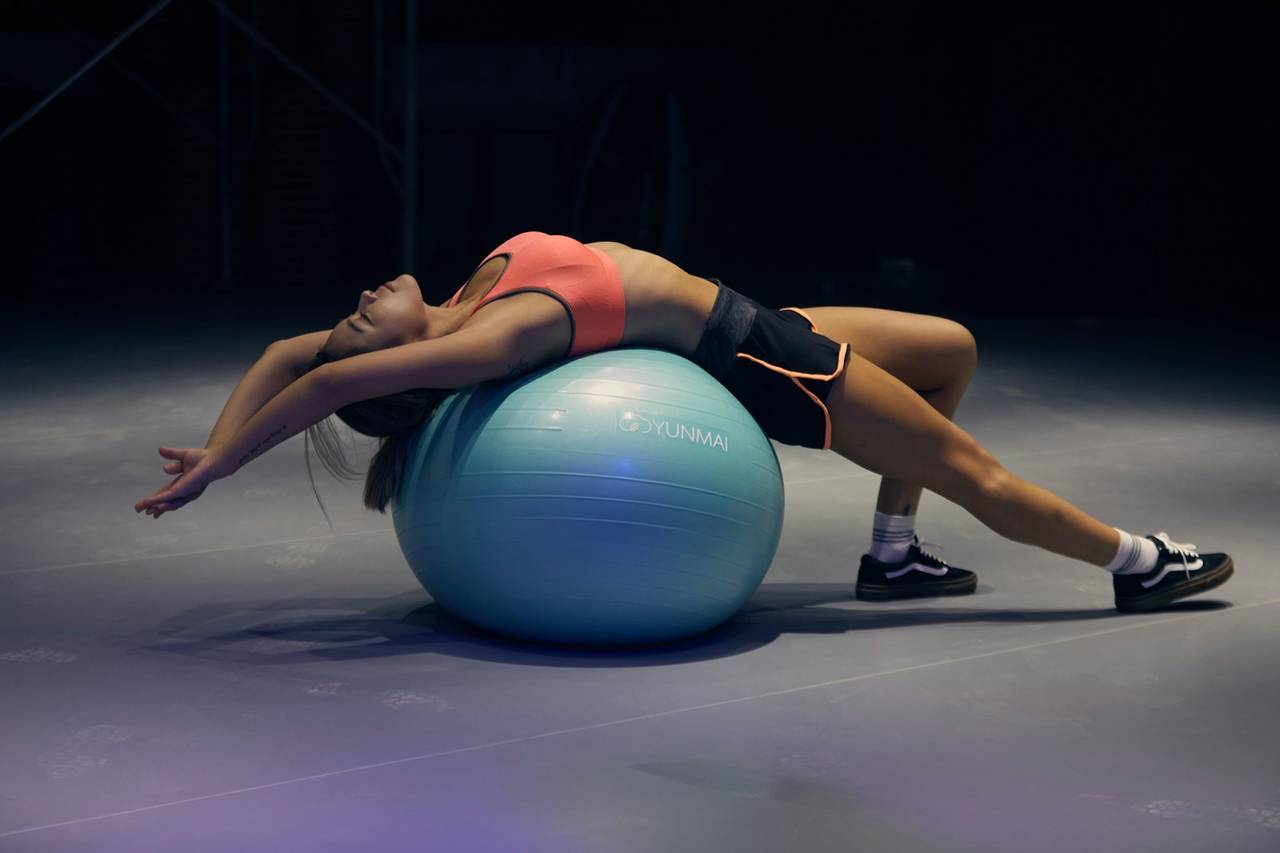
For physiotherapy students, sport and physical activity matter twice over. They keep students fit and well through a demanding course, and exercise is one of the main tools of the profession they are joining. At RCP, physical education links naturally with what students learn in class, from yoga in the second year to sports physiotherapy and exercise prescription in the fourth.
Facilities
Outdoor playground
An outdoor playground for sports and recreation. NCAHP norms require every BPT college to provide one, along with open space for students.
Indoor recreation
Separate common rooms for girls and boys give students space to relax between classes. Indoor games and fitness timings are notified by the college.
Exercise therapy gymnasium
A teaching gymnasium with a multi-gym, rowing machine, ergocycles and other apparatus, where students learn to prescribe and progress exercise.
Yoga
Asanas, pranayama, relaxation and meditation are practised as part of the BPT, and yoga sessions mark the International Day of Yoga.
Yoga in the BPT
Yoga is part of the curriculum, not an extra. Yoga & Systems of Medicine (BPT-208) in the second year covers the philosophy and history of yoga, the Pancha kosha concept, stress management, and the physiological effects of kriyas, asanas, pranayama, relaxation and meditation. Students learn to perform basic asanas and pranayama correctly, and later apply yoga in neurological, obstetric and gynaecological conditions and for health promotion in the community.
Every year on 21 June, the International Day of Yoga is marked with a yoga session linked to BPT-208.
Annual events
National Sports Day on 29 August is marked every year with fitness testing, sports-injury prevention talks and inter-batch games. Dates of the college's sports events each year are announced on the notifications page.
World Physiotherapy Day
Awareness walk, free screening camp and student presentations on the year’s WCPT theme.
National Sports Day
Fitness testing, sports-injury prevention talks and inter-batch games.
International Day of Yoga
Yoga session linked with BPT-208 Yoga and Systems of Medicine.
Sport and health: what students learn
In the fourth year, Sports Physiotherapy & Exercise Prescription (BPT-405) begins with the role of sport in health and goes on to safe participation, injury prevention and the care of athletes. It is taught by the Department of Musculoskeletal & Sports Physiotherapy.
- The role of sport in health
- Safe participation and injury prevention
- Acute and overuse sports injuries
- Taping and bandaging
- On-field emergencies
- Fitness testing
- Wellness for special groups
- Paralympic sport
- Exercise prescription for healthy people
- Exercise for people with chronic conditions
First aid, CPR and safe transport with spine protection, taught in Emergency Care & Life Support Skills (BPT-204) in the second year, prepare students to respond safely when someone is injured during play.
Fitness testing
Students learn to carry out pre-participation screening and to test the components of physical fitness, such as power, endurance, flexibility and balance, and then to prescribe exercise for healthy people and for people with chronic conditions or obesity. The laboratories provide the tools for this, in line with NCAHP norms:
- Bicycle ergometers
- Computerised and motorised treadmills
- Cardio-pulmonary exercise testing unit
- Hand dynamometer
- Skinfold calipers
- Body composition analysers
- Stadiometer
- Goniometers and inclinometers
- Balance boards
- Pedometers
Sport for everyone. BPT-405 includes Paralympic sport and fitness for children, adolescents, pregnant women, older adults and people with hypertension or diabetes. The national handbook also describes a role for physiotherapists in schools and colleges, supporting injury prevention, safe return to play and inclusive physical education for students with disabilities.
Study a profession built on movement
Enquire about BPT admissions for 2026–27, or explore sports physiotherapy as a career.