
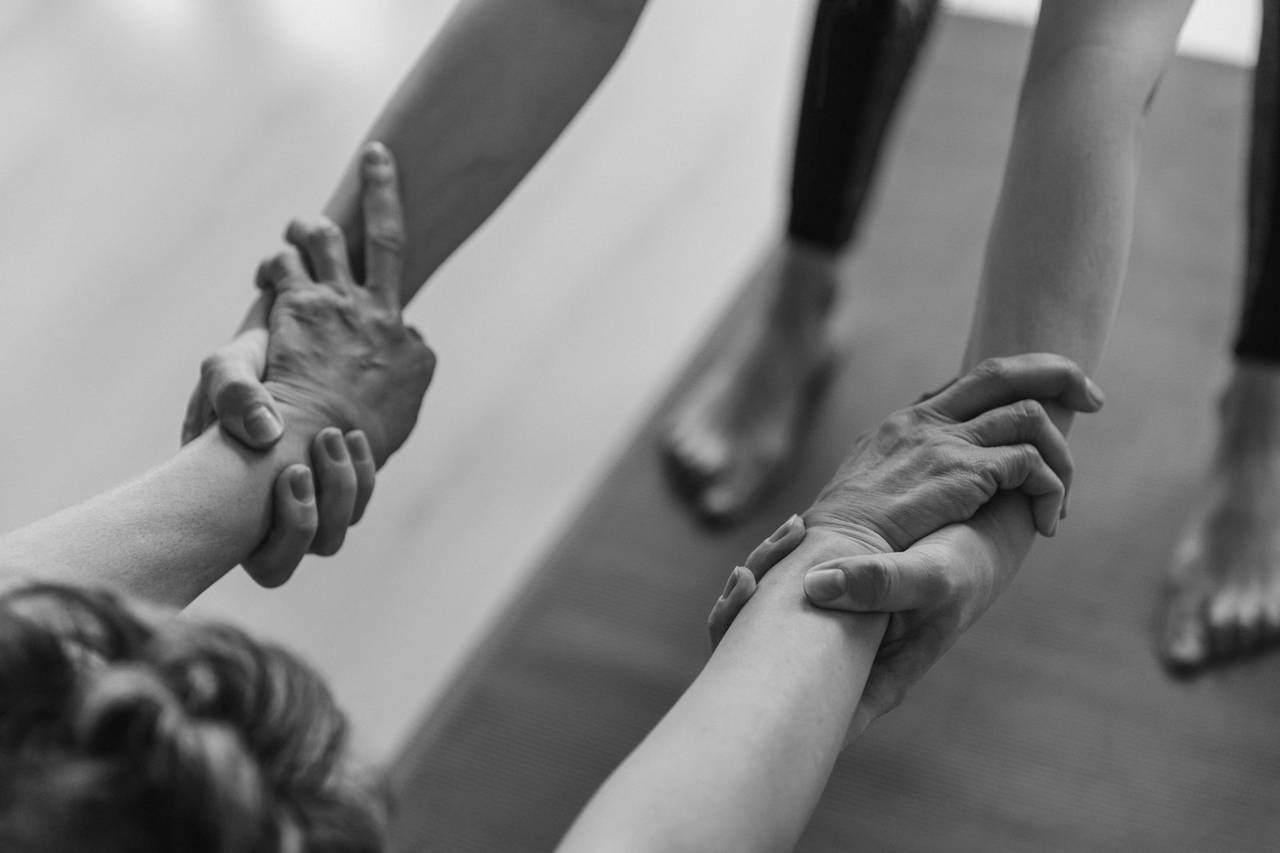
This unit brings together two areas of physiotherapy that focus on particular stages of life. Paediatric physiotherapy supports healthy development, function and mobility in children, from premature and critically ill newborns to adolescents. Women's health physiotherapy covers antenatal and postnatal care, pelvic floor health and gynaecological conditions. In both, families and caregivers are central partners, and students learn to work alongside paediatricians, occupational therapists and speech therapists.
The BPT has no separate paediatric or women's health paper. The national curriculum spreads this content across several subjects and supports it with dedicated clinical postings, and NCAHP norms require a Department of Paediatrics to be in place when the third year of the BPT begins. RCP runs this unit in close partnership with the Neurological, Cardiopulmonary and Community departments.
Subjects we teach
BPT-301General Medicine & Paediatrics: paediatrics unitYear 3 · Theory · shared with Cardiopulmonary PhysiotherapyCommon medical conditions of childhood within the general medicine course.
BPT-304PT in Adult & Paediatric Medical and Surgical ConditionsYear 3 · Theory + Practical · paediatric and obstetrics & gynaecology unitsEarly intervention and stimulation therapy, cleft lip and palate, exercise prescription for children and paediatric CBR, together with physiotherapy in obstetrics and gynaecology.
BPT-305PT in Adult & Paediatric Orthopaedic Conditions: Unit 5Year 3 · Theory + PracticalPaediatric orthopaedics, deformities, paediatric fractures and sports injuries, and surgery for cerebral palsy.
BPT-402PT in Adult & Paediatric Neurological Conditions: Units 3 and 5Year 4 · Theory + PracticalPaediatric neurology and development, including developmental assessment, cerebral palsy and neuromuscular disorders of childhood.
BPT-404PT in Adult & Paediatric Cardiothoracic Conditions: Unit 4Year 4 · Theory + PracticalNeonatal and paediatric cardiopulmonary care, including chest physiotherapy in the NICU and PICU.
Earlier subjects lay the groundwork: the anatomy of the trunk and pelvis, including the pelvic floor (BPT-101), yoga and pranayama (BPT-208), and, in the fourth year, exercise and fitness for children, adolescents and pregnant women within Sports Physiotherapy (BPT-405).
What you will learn
- Carry out a paediatric examination, including developmental milestones, developmental reflexes and neurodevelopmental screening
- Use developmental assessment scales for newborns and infants, such as Brazelton, TIMP, MAI, NBA and AIMS
- Assess and manage developmental delay and high-risk babies
- Provide paediatric chest physiotherapy and postural drainage, with changes for home use, and common procedures in the NICU and PICU
- Use paediatric therapy tools, equipment, aids and appliances
- Use exercise-testing protocols for children with obesity or juvenile diabetes
- Educate and train families and caregivers
- Provide antenatal and postnatal programmes and preparation for labour
- Teach pelvic floor and abdominal muscle training
- Assess and manage urinary (stress) incontinence and uterine prolapse
- Manage menstrual and other gynaecological disorders and pelvic inflammatory disease
- Apply yoga in obstetric and gynaecological conditions
- Prescribe safe exercise and fitness programmes for pregnant women
Conditions & clinical areas
Neurodevelopmental
- Cerebral palsy
- Developmental delay
- Low birth weight and high-risk infants
- Autism
- Down syndrome
- ADHD
- Learning disabilities
- The "clumsy child"
- Hydrocephalus
- Spina bifida and neural tube defects
- Childhood epilepsy
- Brachial plexus injury
- Bell's palsy and congenital facial palsy
Neuromuscular, genetic & metabolic
- Duchenne and Becker muscular dystrophy
- Spinal muscular atrophy
- Congenital and acquired myopathies
- Poliomyelitis
- West's syndrome
- Wilson's disease
- Leigh's disease
- Angelman syndrome
- Genetic counselling
Orthopaedic
- CTEV
- CDH
- Torticollis
- Arthrogryposis
- Osteogenesis imperfecta
- Limb deficiencies
- Perthes disease
- Slipped capital femoral epiphysis
- Rickets
- Paediatric fractures and sports injuries
- Back and neck pain in children
Cardiorespiratory & other
- Congenital heart disease
- Respiratory distress syndrome
- Bronchopulmonary dysplasia
- Meconium aspiration
- Cystic fibrosis
- Childhood asthma
- Congenital diaphragmatic hernia
- Cleft lip and palate
Pregnancy & after childbirth
- Antenatal care
- Postnatal care
- Complications of pregnancy
- Preparation for labour
- Fitness in pregnancy
Pelvic & gynaecological health
- Stress and urinary incontinence
- Uterine prolapse
- Pelvic inflammatory conditions
- Menstrual and other gynaecological disorders
- Pelvic floor and abdominal muscle training
The wider scope of women's health physiotherapy
The NCAHP handbook describes women's health as a specialised area of physiotherapy practice that also includes:
- Pelvic floor health
- Menstrual health
- Dysmenorrhoea and endometriosis
- Osteoporosis prevention
- Fibromyalgia
- Vulvodynia and chronic pelvic pain
- Care for people with cancer and cancer survivors
- Women's health education
Laboratories
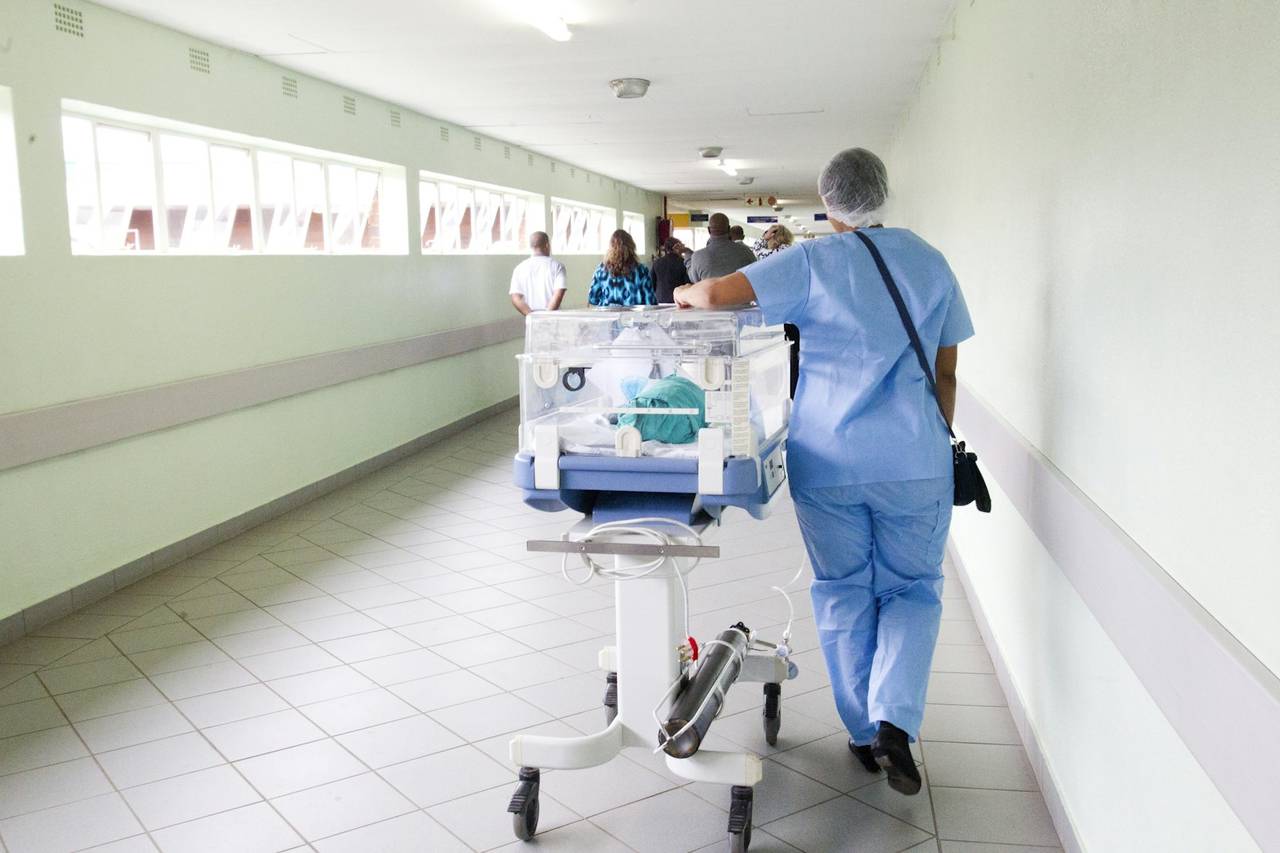
The NCAHP norms do not prescribe a separate equipment list for paediatrics or women's health. Instead, this unit teaches across several laboratories equipped in line with the NCAHP minimum standards, choosing the equipment that suits children and women's health care.
Neuro-physiotherapy lab
Mats, gym balls, bolsters, wedges and pillows for positioning, handling and facilitation of children.
Exercise therapy gymnasium
Paediatric and adult equilibrium boards, vestibular balls and exercise mats for balance work and antenatal and postnatal exercise.
Cardio-respiratory lab
Nebulisers, suction catheters of different sizes and postural drainage couches for paediatric chest physiotherapy.
Community lab
Baby weighing machines and height-measuring stands for growth screening in outreach camps.
The college physiotherapy OPD serves women's health patients alongside the other specialties. See all laboratories
Clinical postings
In the fourth-year Clinical Rotation (BPT-409), students are posted to the Developmental Paediatrics & Child Guidance Clinic and to OBG (obstetrics and gynaecology). During community camps they also see paediatric and gynaecological problems in the field.
| Posting | Duration | Training goals |
|---|---|---|
| Paediatrics | 1 month | Neonatal and paediatric conditions and developmental screening; speech and hearing impairments in children; chest physiotherapy in neonates and children |
| Obstetrics & Gynaecological Physiotherapy | 1 month | Antenatal and postnatal care; uterine prolapse; menstrual and other gynaecological disorders; urinary incontinence; pelvic inflammatory disease |
| Cardiology ICU / NICU | 1 month | Shared with Cardiopulmonary Physiotherapy; includes neonatal intensive care |
Career & higher study
Paediatric and women's health physiotherapists work in hospitals and neonatal units, special schools and care centres, early identification and intervention centres, women's health centres and home-based care. The national handbook calls for dedicated paediatric care units covering premature and critically ill newborns, developmental delay, neuromuscular disorders and family education.
MPT in Paediatrics and Neonatal Sciences
A two-year specialty under the national curriculum for graduates drawn to child development and neonatal care.
MPT in Obstetrics and Gynaecology Science
A two-year specialty under the national curriculum focused on women's health physiotherapy.
RCP offers the BPT only. These MPT specialties are described as pathways after graduation. See Courses Offered.
Faculty
The unit is staffed as per NCAHP faculty norms. Under these norms, paediatrics and obstetrics & gynaecology are taught by teachers with a postgraduate qualification in the specialty, and physiotherapy by faculty holding a BPT and an MPT. Meet our faculty.
Care that starts at the beginning of life
Learn to support children's development and women's health as part of the BPT at RCP. Enquire about admissions for 2026–27.